

Installing an air conditioning system in your home or office requires careful planning, attention to detail, and a methodical approach to ensure optimal performance. Below is a comprehensive step-by-step guide to help you navigate the process of AC installation.
Step 1: Evaluate Your Cooling Needs
Before purchasing an air conditioning unit, assess the specific cooling requirements of your space.
– Room Size:Calculate the square footage of the area you want to cool.
– Insulation Levels:Poor insulation increases cooling demands.
– Climate:Hotter climates may require more powerful systems.
– Occupants and Equipment:More people or equipment will generate heat, affecting cooling needs.
Using these details, determine the appropriate size and capacity (measured in BTUs) for your AC unit.
Step 2: Choose the Right Type of AC System
There are several types of air conditioning systems available, each suited for different needs:
| Type | Pros | Cons | |—————————-|——————————————|—————————————-| | Central Air Conditioning | Efficient for large spaces; even cooling | Higher installation cost | | Ductless Mini-Split System | Flexible installation; energy-efficient | Limited cooling capacity per unit | | Window Unit | Affordable; easy to install | Only practical for smaller areas | | Portable Unit | No permanent installation required | Less efficient; limited coverage |
Consult with an HVAC professional if you’re unsure which option is best for your space.
Step 3: Prepare the Installation Site
Proper preparation ensures a smooth installation process:
– Remove any obstacles around vents or windows where the unit will be installed.
– Ensure sufficient electrical capacity by checking circuit breakers and wiring compatibility.
– Confirm that walls, ceilings, or windows (depending on system type) can support the weight of the equipment.
Step 4: Install and Secure Equipment
Follow manufacturer instructions step-by-step or hire a licensed HVAC contractor for professional results: 1. Position the indoor and outdoor units (for split systems) according to guidelines. 2. Connect refrigerant lines securely while avoiding leaks. 3. Install necessary ductwork (for central systems), ensuring tight seals at all connections. 4. Check that mounting brackets are level and secure.
Step 5: Test System Functionality
Once installed, test your system to confirm it operates correctly: – Turn on power and adjust settings via thermostat controls. – Inspect airflow from vents—ensure strong but steady circulation. – Check refrigerant levels and temperature output using specialized tools.
Address any abnormalities immediately by consulting an expert.
Additional Tips for Long-Term Performance
To maximize efficiency and extend system lifespan: – Schedule routine maintenance like filter changes every 1–3 months. – Keep outdoor condenser units free from debris such as leaves or dirt. – Monitor energy bills regularly—sudden spikes may indicate operational issues requiring attention.
By following this guide carefully, you can ensure successful installation while enjoying reliable comfort in your home or office year-round.
Choosing the Best Orlando HVAC Contractor for Your Installation Needs
Choosing the right HVAC contractor for your installation needs is a critical decision that can impact the efficiency, longevity, and performance of your heating and cooling system. By focusing on key factors during the selection process, you can ensure that your investment pays off in terms of comfort, energy savings, and peace of mind.
Licensing and Certification for AC Repair Orlando
One of the first things to consider when selecting an HVAC contractor is their licensing and certification.
– Holds a valid license to perform HVAC work in your state or locality.
– Has certifications from recognized organizations such as NATE (North American Technician Excellence) or ACCA (Air Conditioning Contractors of America).
These credentials demonstrate that the contractor has undergone rigorous training and adheres to industry standards.
Expertise You Can Trust in HVAC Service Orlando
An experienced contractor is more likely to handle complex installations effectively.
– The number of years they’ve been in business.
– Whether they specialize in specific systems or brands relevant to your project (e. g. , ductless systems or energy-efficient units).
It’s also helpful to ask about any recent projects similar to yours.
Researching a contractor’s reputation is essential.
– Reading online reviews on sites like Google, Yelp, or BBB (Better Business Bureau).
– Requesting references from previous clients and contacting them directly for feedback on their experience with the contractor’s work quality, timeliness, and customer service.
Always confirm that your chosen HVAC contractor has proper insurance coverage, including:
| Type of Insurance | Importance |
| —————— | ———– |
| General Liability Insurance | Protects you in case of property damage during installation.
| Workers’ Compensation Insurance | Covers workers if they are injured while working at your home or office.
This step ensures you won’t be held liable for accidents or damages.
A professional HVAC contractor should provide a detailed written estimate before starting any work.
– The total cost of labor and materials.
– A breakdown of equipment specifications (including model numbers).
– Timelines for completing the project.
This documentation helps prevent misunderstandings later on.
A reliable HVAC contractor will offer warranties for both labor and equipment.
– Manufacturer warranties on parts such as compressors, condensers, etc. – Contractor-provided warranties covering workmanship defects.
Make sure these warranty terms are clearly explained before signing any agreements.
Energy efficiency is crucial when installing an HVAC system to ensure cost savings over time. A knowledgeable contractor will: – Provide recommendations for energy-efficient models (such as those with ENERGY STAR® certification). – Educate you about SEER (Seasonal Energy Efficiency Ratio) ratings. – Suggest additional upgrades like programmable thermostats or zoning systems.
Final Thoughts
Selecting an HVAC contractor requires thorough research into qualifications, experience, reviews, insurance policies, estimates, warranties, and energy efficiency expertise. By taking these factors into account during your search process, you’ll be better equipped to hire a professional who delivers high-quality results tailored to your specific needs without unnecessary complications or expenses in the future.
Recognizing the Five Indicators that Your Air Conditioning Unit Requires Immediate Replacement
Knowing when to replace your air conditioning (AC) unit is crucial for maintaining a comfortable and energy-efficient home or office environment.
If your AC unit requires frequent repairs, it may indicate that its components are wearing out.
– Rising Repair Costs: If repairing the system costs 50% or more of the price of a new unit, replacement may be the more economical choice.
– Recurring Issues: Repeated breakdowns, such as compressor failures or refrigerant leaks, suggest inefficiencies in an aging system.
An AC system that struggles to maintain indoor temperatures or leaves some rooms noticeably warmer than others may signal underlying problems such as:
– Failing components like compressors or blowers.
– Outdated technology unable to meet modern cooling demands.
Older units often consume more energy due to reduced efficiency over time.
– A spike in utility bills during peak cooling months.
– A Seasonal Energy Efficiency Ratio (SEER) rating below current standards (modern systems typically have SEER ratings of 14 or higher).
| SEER Rating | Efficiency Level | Recommendation |
| Below 10 | Very Low | Replace |
| 10–13 | Moderate | Upgrade Soon |
| 14+ | High | Continue Use |
Loud noises, such as grinding, screeching, or banging sounds coming from your AC system, are often signs of severe mechanical wear and tear. Similarly: – Musty odors can indicate mold growth within ducts. – Burnt smells could signify electrical issues.
Ignoring these warning signs can lead to complete system failure, posing health risks and discomfort in your living spaces.
The typical lifespan of an AC unit is around 10–15 years, depending on maintenance and usage patterns: – Units older than this are likely outdated in terms of energy efficiency. – Manufacturers frequently update technology to meet stricter performance standards; upgrading ensures compliance with newer regulations.
Why Timely Replacement Matters
Delaying an overdue replacement often leads to higher operational costs, decreased comfort levels, and even potential health hazards like poor indoor air quality. By recognizing these five indicators early on and consulting with a qualified HVAC contractor, you can make an informed decision about replacing your air conditioning system before it fails completely.
Exploring the Benefits of Professional AC Replacement Over DIY Approaches
When it comes to replacing your air conditioning (AC) unit, many homeowners and business owners may consider handling the process themselves in an effort to save money. While DIY approaches may appear tempting, there are significant advantages to opting for professional AC replacement services. Below, we outline these benefits and explain why professional expertise is often the smarter choice.
One of the most critical aspects of AC replacement is selecting a system that is appropriately sized for your space. A unit that is too small will struggle to cool your property efficiently, while an oversized system can lead to higher energy bills and unnecessary wear and tear.
- Professional Assessment:HVAC technicians conduct detailed load calculations to determine the right capacity for your new AC system based on factors like square footage, insulation levels, and local climate.
- Accurate Recommendations:Professionals can recommend systems that match your cooling needs while staying within your budget.
Replacing an AC unit involves working with electrical components, refrigerants, and other potentially hazardous materials. Improper handling can result in safety risks such as electrical shocks or refrigerant leaks.
- Licensed Technicians:Certified HVAC contractors are trained to handle these materials safely and in compliance with local building codes.
- Environmental Responsibility:Professionals ensure proper disposal of refrigerants and old equipment according to EPA guidelines.
The performance and lifespan of an air conditioning system depend heavily on how well it is installed. Poor installation can lead to frequent breakdowns, reduced efficiency, and higher maintenance costs over time.
- Precision Workmanship:Professionals have the tools and training needed for tasks like ductwork adjustments, secure mounting of components, and precise connections.
- Minimized Downtime:Technicians complete installations efficiently while ensuring every aspect of the system functions correctly from day one.
Most manufacturers offer warranties on their HVAC systems but require professional installation as a condition for eligibility. DIY installation could void the warranty, leaving you responsible for any future repairs or replacements.
| Feature | DIY Installation | Professional Installation |
| Warranty Coverage | Often Void | Fully Protected |
| Installation Quality | May Vary | Consistently High |
| Safety Compliance | Potential Risks | Fully Compliant |
A professional service provider doesn’t just stop at installation; they often include additional support such as maintenance tips or service packages to keep your system running smoothly long-term.
- System Testing:After installation, technicians rigorously test the system to ensure optimal performance.
- Ongoing Maintenance Plans:Many contractors provide affordable options for regular servicing to extend your AC’s lifespan.
Why Avoid DIY?
- Lack of specialized tools required for precision work.
- Risk of injury or damage caused by improper handling.
- Time-consuming learning curves if you’re unfamiliar with AC systems.
By choosing professional services for your AC replacement needs, you gain peace of mind knowing that experts will handle every aspect accurately and safely—ensuring long-term efficiency and comfort without unnecessary risks or expenses.
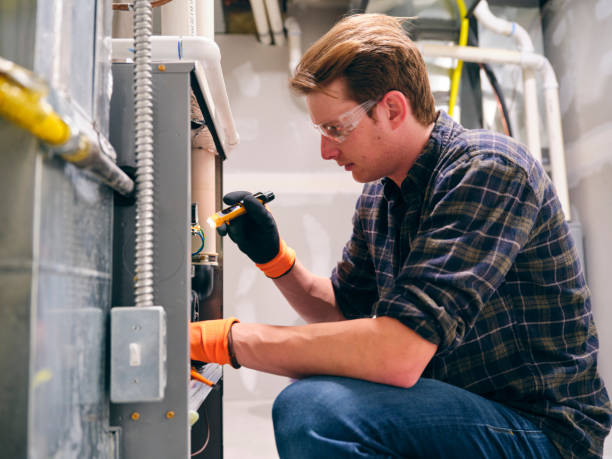
The Importance of Proper System Testing and Final Adjustments During HVAC Installations
Proper system testing and final adjustments are critical steps during HVAC installations. These processes ensure that your heating, ventilation, and air conditioning system operates efficiently, safely, and reliably. Skipping or inadequately performing these steps can lead to increased energy bills, poor indoor air quality, and frequent maintenance issues. Below is an in-depth look at why these practices are essential.
Why System Testing Matters
System testing verifies that every component of the HVAC system is functioning as intended. It allows contractors to identify issues early before they turn into costly repairs or inefficiencies.
- Thermostat Calibration: Ensures the thermostat accurately controls the temperature settings.
- Refrigerant Levels: Verifies that refrigerant levels meet manufacturer specifications to avoid overcooling or insufficient cooling.
- Airflow Inspection: Measures airflow through the ducts to confirm that it meets required standards for comfort and efficiency.
- Electrical Connections: Confirms all wiring is secure to prevent electrical failures or hazards.
- Leak Detection: Checks for leaks in ductwork or refrigerant lines to avoid waste and compromised performance.
The Role of Final Adjustments
While testing focuses on identifying problems, final adjustments fine-tune the system’s performance. This step ensures your HVAC unit operates at its peak performance level while reducing unnecessary wear and tear.
- Balancing Air Distribution
Contractors may adjust dampers within the ductwork to ensure even airflow across all rooms in your home or office. - Fine-Tuning Fan Speed Settings
The fan speed directly affects airflow and energy consumption; adjusting it ensures optimal balance between comfort and efficiency. - Modifying Thermostat Programs
Programmable thermostats can be set up during installation to match your routine, saving energy when heating or cooling is not necessary. - Aligning Outdoor Unit Placement
Ensuring proper placement of the outdoor condenser minimizes noise levels and optimizes heat exchange efficiency.
Benefits of Proper Testing and Adjustments
| Benefit | Description |
| Improved Efficiency | Identifying inefficiencies reduces energy waste while lowering utility bills. |
| Enhanced System Longevity | Fine-tuned systems experience reduced strain on components, extending their lifespan. |
| Optimal Indoor Comfort | Balanced temperatures prevent hot or cold spots throughout your space. |
| Fewer Repairs | Early detection of issues prevents more significant damage down the line. |
Tips for Homeowners
- Request a detailed report from your contractor outlining tests performed.
- Ask questions about any adjustments made and why they were necessary.
- Ensure warranty terms cover issues related to improper installation procedures.
Investing time in proper system testing and final adjustments at installation lays a strong foundation for years of reliable HVAC performance without unnecessary expenses down the road.
How Insulation and Sealing Play a Crucial Role in Optimizing HVAC Efficiency
When it comes to maintaining an energy-efficient HVAC system, insulation and sealing are critical components that contribute to the overall performance of your heating, ventilation, and air conditioning. Proper insulation and airtight sealing help regulate temperature, reduce energy consumption, and maintain a comfortable indoor environment. Below is an in-depth look at how these elements work together to optimize your system’s efficiency.
The Role of Insulation in HVAC Efficiency
Insulation creates a thermal barrier that slows down the transfer of heat between the interior and exterior of your home or office.
- Minimizes Heat Loss: In winter months, proper insulation helps retain heat indoors, reducing strain on heating systems.
- Reduces Heat Gain: During summer months, insulation keeps outdoor heat from seeping inside, allowing the air conditioner to perform effectively.
- Enhances System Longevity: When less strain is placed on your HVAC system due to stable indoor temperatures, its lifespan increases.
Common Types of Insulation:
| Type | Best Use Case | R-Value* Range |
| Fiberglass Batts | Walls, ceilings | 2.9 – 3.8 per inch |
| Spray Foam | Hard-to-reach areas | 3.5 – 6.5 per inch |
| Rigid Foam Boards | Exterior walls or basements | 4 – 6 per inch |
*R-value measures an insulating material’s resistance to conductive heat flow; higher values indicate better performance.
The Importance of Sealing
Air leaks in ducts, doors, windows, or other structural components can significantly diminish HVAC efficiency by allowing conditioned air to escape or outdoor air to enter. Proper sealing ensures that your HVAC system doesn’t waste energy combating unnecessary temperature fluctuations.
Key areas where sealing can make a difference include: – Ductwork: Leaky ducts are responsible for up to 30% energy loss in many homes.Windows and Doors: Gaps here allow drafts that undermine heating or cooling efforts.Attics and Basements: These spaces often harbor unseen cracks or gaps that impact overall thermal regulation.
Quick Tips for Effective Sealing:
- Use weatherstripping around movable components like windows and doors.
- Apply caulk around stationary elements like window frames.
- Inspect duct joints regularly and seal leaks with mastic sealant or metal tape.
Benefits of Optimized Insulation & Sealing
By combining effective insulation with proper sealing techniques during installation or retrofitting processes, homeowners and business owners can enjoy several benefits: – Lower utility bills due to reduced energy waste. – Improved indoor air quality by limiting pollutant infiltration through gaps. – Enhanced comfort with consistent indoor temperatures across all seasons.
An efficient HVAC system relies not just on high-quality equipment but also on the surrounding environment’s ability to preserve conditioned air effectively. Investing in proper insulation and sealing is one of the simplest ways to ensure your heating and cooling systems operate at peak performance year-round while reducing environmental impact through lower energy consumption levels.
- Expert Tips for Choosing the Best Air Conditioner from an Orlando FL HVAC Company
- The Benefits of Choosing an Orlando FL HVAC Company for Repair and Replacement Services
- Your Comprehensive Guide to Choosing an Orlando FL HVAC Company for Residential Installation
- Finding the Best Orlando FL HVAC Company for Homeowners
- The Ultimate Step-by-Step Guide to AC Installation by an Orlando FL HVAC Company
- Understanding Orlando HVAC Systems: A Comprehensive Guide for New or Soon-To-Be Homeowners
- The Ultimate Homeowner’s Guide to Choosing the Best Orlando FL HVAC Company
- Understanding Orlando HVAC Services: What They Do and Why They’re Essential for Your Home