hvac service orlando

The Benefits of Choosing an Orlando FL HVAC Company for Repair and Replacement Services

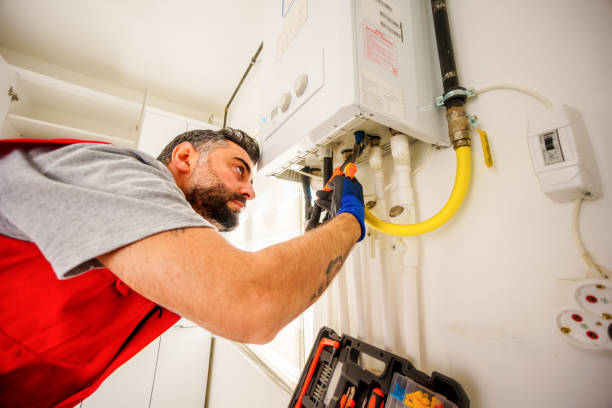
A technician in a red vest and hat carefully works on the internal components of a wall-mounted boiler. . A technician in a red vest and hat carefully works on the internal components of a wall-mounted boiler. . The boiler is connected to various pipes, including a yellow gas line, and the technician seems focused on his task. There is a patterned wallpaper in the background, adding a homey atmosphere to the scene. It captures a professional performing routine maintenance or repairs on home heating equipment. hvac company home service stock pictures, royalty-free photos & images

Like any mechanical system, HVAC units require regular maintenance, occasional repairs, and eventually, replacement. Choosing an expert for these services can make a significant difference in the performance and longevity of your system.

Expertise and Knowledge

Hiring an experienced HVAC professional means you’re working with someone who understands the complexities of heating, ventilation, and air conditioning systems.
– Diagnose problems accurately without unnecessary guesswork.
– Utilize industry-standard tools to address both minor fixes and major repairs.
– Select the right size equipment when it’s time for a replacement to ensure optimal energy efficiency.

Enhanced Safety Standards


– Prevent gas leaks or carbon monoxide hazards from improper connections.
– Safeguard electrical wiring against potential short circuits or fire risks.
– Ensure refrigerants are handled responsibly according to environmental regulations.

Increased Energy Efficiency

Expert contractors help optimize your system’s performance, ensuring it runs efficiently throughout its lifespan by:
– Cleaning or replacing dirty components that reduce airflow or cause strain on the motor.
– Tuning up the system so it operates at peak efficiency during seasonal changes.

Warranty Protection

Many HVAC manufacturers require professional installation or servicing to keep warranties valid. Choosing a certified technician ensures compliance with these requirements while also providing you with peace of mind should anything go wrong.

Benefit Homeowner Advantage Example
Precision in Diagnosing Issues Saves time and avoids unnecessary costs Identifying faulty compressors early
Compliance with Safety Codes Minimizes health hazards in the home Proper handling of gas leaks
Improved Performance Reduces energy consumption Lower monthly utility bills

Time-Saving Convenience

DIY repairs can be time-consuming, especially if you’re unfamiliar with complex systems like HVAC units.
– Repairs are completed quickly due to their experience. – You avoid spending hours researching solutions or troubleshooting issues yourself. – Emergency services provide rapid responses during breakdowns in extreme weather conditions.

Long-Term Savings

While professional services may seem costlier upfront compared to DIY attempts or hiring inexperienced individuals, they save you money over time by:
1. Preventing recurring problems caused by improper repairs.
2. Extending the life of your equipment through proper maintenance practices.
3. Lowering energy consumption with better-performing systems.

Working with experts ensures that every dollar spent contributes toward maintaining a comfortable indoor environment while avoiding unnecessary expenses down the road.

By choosing skilled professionals for your HVAC repair and replacement needs, you benefit from their unmatched expertise while protecting both your investment and household comfort level effectively over time.

How Orlando HVAC Professionals Ensure Quality and Reliability in Every Job

The quality of your HVAC system directly affects indoor comfort, energy efficiency, and the lifespan of the equipment. Here’s a detailed look at why professional HVAC contractors bring unmatched quality and reliability to every job.

Expert AC Repair Orlando Services Backed by Training and Certification

Professional HVAC contractors undergo extensive training and hold certifications that require them to stay updated on industry standards, safety protocols, and technological advancements.

  • Accurate diagnosis of system issues.
  • Proper installation according to manufacturers’ specifications.
  • Safe handling of equipment such as refrigerants and electrical components.

Their knowledge minimizes mistakes that could lead to costly repairs or replacements in the future.

Advanced HVAC Service Orlando: Access to Top Tools and Equipment

Licensed professionals have access to specialized tools and diagnostic equipment that are not typically available to non-professionals.

  • Pinpoint inefficiencies in your system quickly.
  • Conduct thorough inspections for hidden issues like leaks or electrical faults.
  • Perform precise adjustments during installations or repairs for optimal performance.

This access ensures the job is completed efficiently without compromising quality.

Compliance with Building Codes and Regulations

HVAC work often involves compliance with strict building codes, safety standards, and environmental regulations.

  • Proper permits are obtained before starting work.
  • Installations meet local building requirements.
  • Compliance with environmental guidelines for refrigerant disposal.

By adhering to these rules, they help you avoid potential legal liabilities while ensuring your home or business remains safe.

Long-Term Reliability Through High-Quality Workmanship

Hiring a professional contractor means you can trust in the durability of their work.

  1. Preventing premature wear-and-tear on components.
  2. Ensuring compatibility between new systems and existing ductwork or electrical setups.
  3. Reducing the likelihood of frequent breakdowns through proper installation techniques.

This focus on workmanship saves money over time by minimizing unnecessary repairs or replacements.

Warranties for Peace of Mind

Professional contractors often provide warranties for both parts and labor.

  • Covering unexpected malfunctions within a specified period.
  • Guaranteeing repair work meets high standards.

Should issues arise after service completion, reputable contractors will address them promptly without additional cost during the warranty period.

Enhanced Energy Efficiency

A properly installed or repaired HVAC system consumes less energy while maintaining optimal performance.

  • Sealing air leaks in ductwork.
  • Installing energy-efficient units designed for your space’s needs.
  • Optimizing thermostat settings for consistent temperature control.

Improved energy efficiency benefits both your wallet through reduced utility bills and the environment by lowering carbon emissions.

Advantages of Hiring Professional HVAC Contractors Details
Expertise & Certification Industry knowledge ensures accurate results
Advanced Tools Access to specialized equipment
Code Compliance Adheres to local laws & safety regulations
Workmanship Quality Durable installations & repairs
Warranty Coverage Protects against unexpected issues

By choosing a professional contractor who values quality workmanship, attention to detail, and regulatory compliance, you ensure reliable HVAC operations tailored specifically to your needs—offering both immediate comfort and long-term savings over time.

Common Pitfalls of Inexperienced HVAC Repairs and Replacements

Below are some of the most common pitfalls associated with hiring inexperienced personnel for these critical services.

One of the primary issues with hiring an untrained technician is the potential for misdiagnosing problems in your system.
Unnecessary Repairs:Addressing issues that don’t exist or are unrelated to the actual problem.
Overlooking Root Causes:Failing to identify underlying issues, leading to recurring breakdowns.

An experienced contractor will use advanced diagnostic tools and years of expertise to pinpoint the exact cause of any malfunction.

Improper installation can compromise your system’s efficiency and longevity.
Improper Sizing:Installing a system too large or too small for the space, leading to energy inefficiency and uneven heating/cooling.Incorrect Placement:Poor positioning of components such as condensers or ductwork, reducing airflow or accessibility for future maintenance.Skipping Calibration Steps:

Proper installation by a certified professional ensures that your HVAC system performs optimally from day one.

Inexperienced contractors may rely on low-quality parts or outdated techniques due to limited knowledge or budget constraints.
– Frequent component failures requiring expensive repairs. – Reduced energy efficiency, increasing utility bills over time. – Shorter lifespan of the overall HVAC system.

Professional contractors work with trusted manufacturers and ensure only high-quality parts are used.

HVAC installations and repairs must adhere to local building codes and safety standards.
– Using non-compliant materials. – Failing to install proper ventilation systems. – Ignoring safety guidelines related to electrical connections or refrigerant handling.

By contrast, certified technicians stay updated on regulatory compliance, ensuring all work meets legal requirements.

While hiring an inexperienced contractor may seem more affordable initially, it often leads to higher costs down the road due to:
| Issue | Cost Implication |
|—————————————|————————————-|
| Frequent System Failures | Repeated repair expenses |
| Reduced Energy Efficiency | Higher monthly utility bills |
| Premature Equipment Replacement | Costly early upgrades |

Investing in a skilled HVAC professional upfront ensures cost-efficiency over the lifespan of your system.

Faulty repairs by untrained individuals can pose serious safety hazards such as:
– Carbon monoxide leaks from improperly installed furnaces. – Electrical fires caused by faulty wiring connections. – Refrigerant leaks that harm both health and the environment.

Experienced contractors follow industry best practices designed not only for performance but also for safety at every stage of repair or replacement services.

By avoiding these pitfalls through professional services, you safeguard your comfort, investment, and peace of mind while ensuring long-term satisfaction with your HVAC system’s performance.

Certified professionals bring a wealth of experience and expertise that can directly impact the performance of your heating and cooling systems.

Certified HVAC technicians undergo rigorous training and testing to earn their credentials.
– Industry standards and regulations
– Advanced HVAC technologies
– Proper installation practices for various systems

Their expertise ensures that every component of your upgrade is handled meticulously, avoiding common errors that could lead to inefficiencies or further repairs.

A certified technician takes energy efficiency into careful consideration when upgrading your system.
– Proper sizing of equipment based on your home’s needs (e. g.
– Correct calibration and configuration of thermostats and controls
– Installation of energy-efficient components like variable-speed motors or smart systems

Improper installation or upgrades can pose serious safety risks, such as gas leaks or electrical malfunctions.
– Ensure proper ventilation for combustion-based systems (furnaces, boilers)
– Safely handle refrigerants according to EPA guidelines
– Verify electrical connections meet code requirements

Their focus on safety protects both your household and the longevity of your equipment.

Certified professionals have access to cutting-edge tools that make installations precise and time-efficient.
| Tool/Technology | Purpose | Benefits |
|————————–|——————————————|——————————————|
| Manometers | Measure airflow | Ensures balanced air distribution |
| Thermal imaging cameras | Detect heat loss | Improves overall system insulation |
| Refrigerant recovery units| Handle refrigerants safely | Environmentally responsible upgrades |

By utilizing these modern tools, they can diagnose potential issues promptly during an upgrade process.

Most manufacturers require professional installation by certified technicians for warranties to remain valid.
– You protect the manufacturer’s warranty on new equipment
– Any future repairs related to improper installation remain covered

While hiring a certified technician may initially seem more expensive than opting for non-certified services, it leads to cost savings in several ways:
1.Minimized Repairs: Proper installation reduces wear-and-tear issues over time. 2.Enhanced Efficiency: Lower energy consumption decreases utility bills. 3.Extended Equipment Lifespan: Systems installed by experts tend to last longer with fewer breakdowns.

Investing in professional services ensures financial benefits well beyond the initial upgrade process.

Upgrading an HVAC system is not just about improving comfort—it’s also about maximizing efficiency, ensuring safety, and protecting long-term investments in your home’s climate control needs. Certified HVAC technicians provide the expertise necessary to achieve these goals effectively while giving you peace of mind that your system operates at its best capacity year-round.

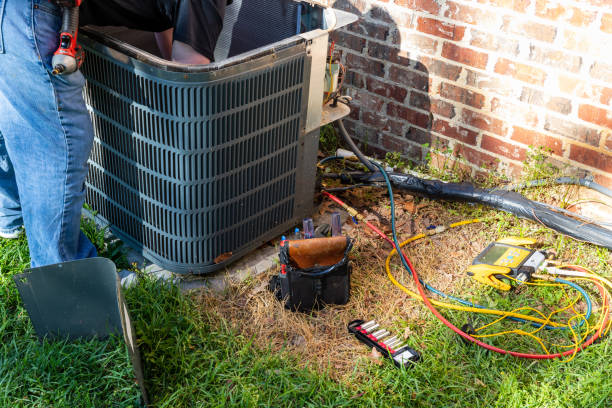
Hvac technician performing air conditioner repair service. Hvac technician performing air conditioner condenser unit maintenance inspection outdoor on the rooftop. 24 hours emergency repair service for air conditioning breakdowns and failures. Home insurance. hvac company home service stock pictures, royalty-free photos & images
How Cost-Efficiency is Achieved Through Expert HVAC Contractor Services

Here’s how professional services ensure maximum value for your investment.

Accurate Diagnosis of Issues

Expert HVAC contractors have the training and tools necessary to accurately diagnose problems within your system.

  • Problems are identified quickly and correctly.
  • Repairs target the exact issue without addressing unnecessary components.
  • Complex issues are resolved without repeated service calls.

By pinpointing the root causes of inefficiencies or malfunctions, professional contractors eliminate guesswork, saving time and money.

Energy-Efficient Repairs and Installations

Skilled technicians prioritize energy efficiency when performing repairs or installing new equipment. This helps reduce operational costs over time by lowering energy consumption.

  • Replacing outdated components with energy-efficient alternatives that meet modern standards.
  • Ensuring proper installation of equipment to avoid performance inefficiencies.
  • Conducting routine maintenance to keep systems running at peak efficiency.

According to data from the U. S. Department of Energy, properly maintained HVAC systems can reduce energy consumption by up to 25%. An expert contractor ensures these savings are realized.

Avoiding Costly Mistakes

Inexperienced repairs often result in recurring issues that require additional expenses down the road.

  • Incorrect component replacements causing further damage.
  • Poor installation leading to higher utility bills.
  • Voiding manufacturer warranties due to improper handling.

By getting the job done right the first time, you’ll avoid unnecessary expenditures tied to avoidable mistakes.

Long-Term Maintenance Plans

Established HVAC contractors typically offer maintenance programs designed to extend the lifespan of your system while minimizing unexpected breakdowns.

  1. Routine Inspections– Regularly checking for wear and tear reduces costly major repairs later on.
  2. Filter Replacements– Ensuring clean filters improves airflow efficiency and reduces strain on components.
  3. Seasonal Tune-Ups– Preparing systems for extreme weather conditions ensures efficient performance year-round.
Service Type Cost Without Plan Cost With Plan Potential Savings
Annual Inspection $150 per visit Included in plan $150+ annually
Emergency Repairs $300+ per event Reduced or waived Varies
Component Replacement Variable Discounted rates 10%-20% savings

Maximizing Equipment Lifespan

An improperly serviced HVAC system may fail prematurely, requiring costly replacements sooner than expected. Professional contractors ensure that all work aligns with manufacturer specifications and best practices, which helps extend equipment life by several years.

Choosing an experienced HVAC professional isn’t just about fixing immediate problems; it’s an investment in cost-efficiency that pays dividends over time through reduced bills, fewer repairs, and longer-lasting systems.


Your Comprehensive Guide to Choosing an Orlando FL HVAC Company for Residential Installation

Technician with multimeter repairing air conditioner at home Air conditioner maintenance or repair hvac company home service stock pictures, royalty-free photos & images

When it comes to residential HVAC installation, understanding the process and preparing adequately can make a significant difference in ensuring comfort and energy efficiency in your home. Whether you’re replacing an outdated system or installing a new one, this comprehensive guide covers all the basics.

Why Invest in a Quality HVAC System?

  • Enhanced Comfort: Modern HVAC systems provide precise temperature control and even distribution of airflow across your home.
  • Energy Efficiency: Newer units are designed with advanced technology to minimize energy consumption, which can reduce utility bills significantly.
  • Improved Air Quality: Many residential systems now incorporate air purifiers or filters that reduce the presence of allergens, dust, and other pollutants indoors.
  • Increased Home Value: An efficient and well-installed HVAC system can enhance your property’s marketability and overall value.

Types of Residential HVAC Systems

Type Description Best For
Central Air Conditioning Provides cooling through ductwork using refrigerant-based systems Homes with existing ductwork
Ductless Mini-Split Offers zone-specific heating/cooling without ducts; wall-mounted units Smaller homes or areas without ductwork
Heat Pumps Dual-purpose for heating and cooling; highly energy-efficient Areas with moderate climates
Furnaces Primarily used for heating; powered by gas, electricity, or oil Cold climates requiring robust heat output

Discussing these options with an experienced contractor will help determine the best fit for your home.

Key Considerations Before Installation

  • Sizing Matters: Proper sizing of an HVAC unit is crucial. Undersized systems may struggle to maintain temperature control, while oversized ones waste energy.
  • Ductwork Inspection: Existing ductwork should be examined for leaks or damage to avoid inefficiencies once the new system is operational.
  • Home Energy Assessment: A professional energy audit can identify areas where insulation or sealing improvements might enhance overall performance.
  • Budget Planning: Factor in both upfront costs (equipment + labor) and potential long-term savings from reduced utility bills.

How to Choose the Right Contractor

  • Licensing and certifications (e.g., NATE-certified technicians).
  • Positive customer reviews or referrals from trusted sources.
  • Transparent written estimates detailing labor charges, warranties, etc.
  • Proven experience with similar projects (e.g., installations in homes like yours).

By investing time in research and careful planning beforehand, you’ll set yourself up for a smooth installation process while maximizing long-term benefits from your residential HVAC system.

Efficient Orlando HVAC Installation Process: Understanding Common Timeframes

When planning a residential HVAC system installation, understanding how long the process might take is essential. Several factors influence the timeline, and being informed can help homeowners prepare better. Below is an in-depth look at the common timeframes and key considerations to ensure a smooth and efficient installation process.

Key Factors That Impact AC Repair Orlando Installation Time

  • Size of the Home: Larger homes typically require more extensive ductwork and larger systems, resulting in longer installation times. Smaller homes may take significantly less time.
  • Type of System: Installing a central air conditioning system or a heat pump generally takes longer than installing ductless mini-split systems.
  • Existing Infrastructure: If ductwork or wiring already exists and is in good condition, the process will be faster. New construction or major retrofitting requires more time.
  • System Complexity: Advanced HVAC systems with high-efficiency components or zoning features often involve additional work and setup.
  • Accessibility: Limited access to attics, basements, or tight crawl spaces may slow down the process for contractors.

Timeframes for HVAC Service Orlando and Installation

Type of Installation Approximate Time Required
Standard Central Air Conditioning 1–2 days
Heat Pump Installation 2–3 days
Ductless Mini-Split System 1 day (per unit)
Full System Replacement with Ductwork Modifications 3–5 days
New Construction (Complete Setup) Up to 7 days

Tips to Minimize Delays

  1. Choose an Experienced Contractor
    Hiring licensed professionals reduces the likelihood of errors or delays during installation.
  2. Prepare Your Home Ahead of Time
    Clear out furniture or objects obstructing access to vents, ducts, or other areas where work will occur.
  3. Inspect Existing Ductwork Early
    If your home uses ducted systems, have them inspected beforehand. Any repairs needed should be addressed prior to installation day.
  4. Discuss Timelines During Consultation
    During consultations with contractors, ask about estimated timelines based on your home’s unique requirements.
  5. Get Necessary Permits Ahead of Time
    In some locations, permits are required for certain types of installations. Make sure these are secured before work begins.

Realistic Expectations About Timelines

While most installations fall within the outlined timeframes, complications may arise that extend the duration. Some potential issues include unforeseen damage to existing infrastructure (such as leaks in ductwork), supply chain delays affecting equipment availability, and extreme weather conditions if outdoor units are involved.

By understanding these common variables and preparing accordingly, homeowners can set realistic expectations around their HVAC project’s timeline while ensuring efficiency throughout the process. Always communicate openly with your contractor to address any concerns that arise during the job.

Expert Insights into Safely Removing Refrigerant and Old HVAC Systems

Properly removing refrigerant and dismantling an old HVAC system is a critical step in preparing for a new installation. This process requires technical expertise, adherence to environmental regulations, and the right tools to ensure safety and compliance. Below is an in-depth look at how this process works, along with expert tips for homeowners and contractors.

Importance of Safe Refrigerant Removal

Refrigerants are chemicals used in HVAC systems that facilitate the cooling process. However, they can be harmful to both humans and the environment if not handled correctly. Many refrigerants, particularly older ones like R-22 (Freon), are known contributors to ozone depletion. For this reason, the Environmental Protection Agency (EPA) has strict guidelines regarding their removal and disposal.

Key reasons why proper refrigerant removal is necessary:
Compliance with laws: It’s illegal to release refrigerants into the atmosphere. The Clean Air Act mandates proper recovery processes.
Environmental protection: Preventing leaks reduces harm to the ozone layer and mitigates greenhouse gas emissions.
Personal safety: Direct exposure can cause skin irritation or breathing difficulties due to their chemical composition.

Steps for Safe Refrigerant Recovery

  1. Inspect the existing HVAC unit.
  2. Identify the type of refrigerant used (R-22 or newer alternatives like R-410A).
  3. Attach recovery machines designed specifically for extracting refrigerants without leaks.
  4. Connect hoses securely between the system’s service ports and recovery tank.
  5. Initiate recovery equipment as per manufacturer instructions.
  6. Monitor pressure gauges to ensure complete extraction from coils, compressors, and lines.
  7. Transfer recovered refrigerants into certified storage tanks.
  8. Work with licensed facilities for recycling or safe disposal.

Safely Dismantling Old HVAC Systems

  1. Disconnecting Power Supply: Always start by turning off power at the circuit breaker to avoid electrical hazards.
  2. Detach indoor air handler or furnace components first.
  3. Carefully remove outdoor condenser units next.
  4. Handling Electrical Wiring & Ductwork: Properly label wires during disconnection for easier reinstallation later.
  5. Disposal of Parts: Arrange recycling or disposal at authorized centers since many components contain metals that can be reused.

Tools Used During Removal

Tool Purpose Safety Benefit
Refrigerant Recovery Unit Extracts refrigerant safely Prevents atmospheric release
Manifold Gauges Monitors pressure during recovery Ensures accurate extraction
Personal Protective Gear Protects technician Reduces risk from contact/exposure
Screwdrivers/Wrenches Dismantles unit components Facilitates controlled removal

Tips for Homeowners

If you’re preparing your home for professional HVAC removal, consider these tips:
– Clear furniture or obstacles near indoor/outdoor units before technicians arrive.
– Ensure pets or children remain away from work areas during service hours. – Verify that your contractor holds EPA certification authorizing them to handle refrigerants legally and safely.

By following these guidelines and working with experienced HVAC professionals, you can ensure your old system is removed responsibly while minimizing risks to your home, health, and environment.

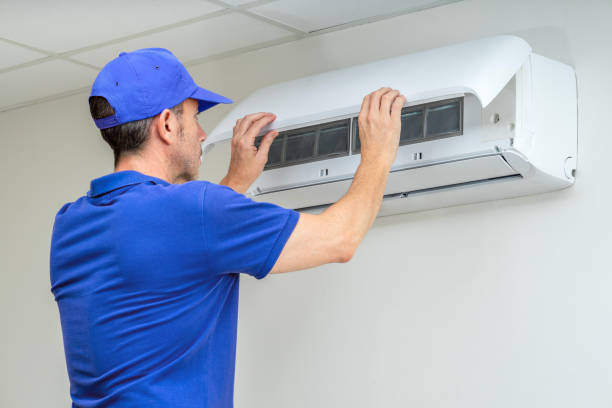
Maintenance on air conditioner unit Air conditioner maintenance being performed hvac company home service stock pictures, royalty-free photos & images

Preparing Your Home for a Seamless New HVAC System Installation

Proper preparation is essential to ensure a smooth and efficient HVAC system installation. By taking the time to ready your home, you can help reduce delays, avoid unexpected complications, and set the stage for optimal system performance. Below are key steps and considerations to prepare your home effectively.

1. Clear the Installation Area

  • Outdoor Unit Space: Clear any debris, plants, or objects around where the outdoor condenser unit will be installed. Aim for at least 2–3 feet of open space on all sides to ensure proper airflow.
  • Indoor Access: Identify spaces inside your home where air handlers, ductwork, or thermostats may be located. Remove furniture, decor items, or clutter that could block access.
  • Attic/Basement Access: If the system requires work in these areas, ensure they are well-lit and free of excessive storage or obstacles.

2. Assess Your Electrical System

  • Confirm that your home’s electrical panel has sufficient capacity for the new system.
  • Consider consulting an electrician if you’re unsure whether upgrades to wiring or breakers may be required.

3. Seal Gaps and Insulate

  • Inspect windows and doors for drafts and seal gaps with weatherstripping or caulk.
  • Add insulation in attics, crawlspaces, or walls as needed to reduce heat transfer and lower overall energy consumption.

4. Discuss Ductwork Needs

  • Have it inspected prior to installation to identify leaks or blockages.
  • Schedule professional cleaning if ducts are dirty or clogged with dust and debris.

If ductwork needs repairs or modifications during installation, inform contractors ahead of time so they can plan accordingly.

5. Protect Your Home’s Surfaces

  • Lay down protective coverings like drop cloths over floors near work areas.
  • Use corner guards on doorframes or furniture edges near high traffic zones.

6. Communicate with Your Contractor

  • Review timelines for each stage of installation.
  • Confirm whether additional work (e.g., removal of old systems) is included in their scope of services.

Providing contractors with specific details about your home’s layout can also help prevent surprises.

Preparation Task Action Steps
Outdoor Unit Space Clear debris/plants; maintain a minimum of 2–3 feet around unit
Indoor Access Remove furniture; ensure clear pathways
Electrical System Assessment Check capacity; consult an electrician if upgrades might be needed
Ductwork Inspection Schedule inspection/cleaning; repair leaks if necessary
Surface Protection Use drop cloths; protect corners/walls near work zones

By addressing these preparation steps thoroughly before installation day arrives, homeowners can contribute significantly toward making the process as seamless as possible while paving the way for years of efficient HVAC performance in their homes.

Step-by-Step Process of New System Installation and Test Run

Installing a new HVAC system is a critical process that demands precision, planning, and technical expertise. A seamless installation not only ensures the efficiency and longevity of the system but also maximizes comfort for homeowners. Below is a step-by-step breakdown of how professionals approach new HVAC system installation and testing.

Step 1: Site Inspection and Preparation

Before any equipment is installed, the contractor will evaluate the site to ensure proper conditions for installation.

Key actions during this phase include:
Inspecting existing ductwork: Ensuring ducts are clean, free of leaks, and properly sized for the new system.
Assessing structural support: Checking if the attic or crawl space can adequately support the system components.
Measuring airflow requirements: Determining appropriate airflow rates based on square footage and insulation levels of your home.

This step is vital to avoid issues like reduced efficiency or uneven heating/cooling.

Step 2: Selecting System Placement

The placement of major components (e.g., air handler, condenser unit) impacts both functionality and accessibility for maintenance. HVAC experts will:
– Choose a location with good air circulation for outdoor units.
– Ensure indoor units are installed in areas with minimal obstruction to airflow.
– Verify compliance with local building codes regarding clearances from walls, windows, or other structures.

Step 3: Installing New Equipment

Component Installation Tasks
Thermostat Mounting it on a central interior wall for accurate readings.
Air Handler/Furnace Securing it in place while connecting it to ductwork & electrical systems.
Condenser Unit (Outdoor) Setting it on a stable pad outside and connecting refrigerant lines to prevent leakage.

Every connection—whether electrical or mechanical—is carefully sealed to prevent energy wastage and ensure safe operation.

Step 4: Electrical & Refrigerant Connections

This phase ensures all power supplies are correctly linked while adhering to safety regulations. Tasks include:
– Connecting electrical wires between components following appropriate voltage ratings. – Charging refrigerant lines based on manufacturer specifications. – Testing for leaks in refrigerant lines using specialized gauges or sensors.

Proper calibration is crucial at this stage as low refrigerant levels can damage internal compressors over time.

Step 5: System Startup & Test Run

  1. Thermostat responsiveness when adjusting temperatures.
  2. Air distribution through all vents across rooms.
  3. Noise levels from fans/compressors during operation.
  4. Energy consumption data compared against benchmarks provided by manufacturers.

Technicians may also monitor humidity control features if your HVAC includes dehumidification capabilities.

Step 6: Homeowner Walkthrough & Maintenance Tips

Once satisfied with its operation, contractors guide homeowners through using their new HVAC system effectively by explaining: – How frequently filters should be replaced. – Recommended thermostat settings depending on seasonal changes. – Scheduling periodic professional inspections every six months or annually based on usage patterns.

Providing clear instructions at this stage ensures homeowners can maintain peak performance without unexpected breakdowns later down the line.

Through careful planning at each stage—from preparation through post-installation inspection—your new HVAC setup can offer years of consistent comfort while minimizing energy costs over time.

Finalizing the Install: Ensuring Quality with Follow-Up Inspections for Your HVAC System

After your new HVAC system has been installed and tested, the final step is to ensure that everything is functioning optimally through a comprehensive follow-up inspection. This crucial phase guarantees that your system operates efficiently, extends its lifespan, and avoids potential issues down the line. Below is a detailed guide on what to expect during this process and what homeowners should keep in mind.

The Importance of Follow-Up Inspections

Follow-up inspections are not just a formality; they are vital for several reasons:
Efficiency Check: Ensures that your HVAC unit operates at peak performance without undue stress or energy wastage.
Safety Assurance: Confirms there are no hazards, such as gas leaks, loose electrical connections, or improper ventilation.
Compliance Verification: Checks that the installation complies with local building codes and manufacturer guidelines.
Warranty Protection: Many warranties require professional inspections to remain valid.

Skipping this step could lead to complications down the road, costing more time and money.

What Happens During a Follow-Up Inspection?

  1. Measure airflow levels across ducts and vents.
  2. Check thermostat calibration for accurate temperature control.
  3. Evaluate heating and cooling output efficiency (BTU performance).
  4. Confirm proper refrigerant charge based on manufacturer specifications.
  5. Inspect for any leaks in refrigerant lines.
  6. Tighten all electrical connections.
  7. Test voltage levels across various components.
  8. Inspect circuit breakers and fuses for any abnormalities.
  9. Verify carbon monoxide detectors if gas-powered systems are used.
  10. Check safety shutoffs in case of malfunction or irregularities.
  11. Look for leaks in ductwork that could compromise efficiency.
  12. Ensure insulation around ducts minimizes energy loss.
  13. Noise Level Monitoring
    Listen for unusual sounds during operation that might indicate mechanical issues.

Questions to Ask During Your Follow-Up Inspection

As a homeowner, it’s helpful to be proactive during this process by asking pertinent questions such as:
– Are there any recommendations for ongoing maintenance?
– What should I monitor between maintenance visits?
– How often should air filters be replaced?

Understanding these details can help you maximize the value of your new HVAC system over time.

Post-Inspection Checklist

Once your follow-up inspection is complete, use this checklist as a reference: | Task | Status | Notes | |——————————-|————-|—————————| | Thermostat calibrated | ✅ / ❌ | | | Refrigerant levels checked | ✅ / ❌ | | | Electrical connections secured| ✅ / ❌ | | | Safety measures verified | ✅ / ❌ | | | Ductwork inspected | ✅ / ❌ | |

Make sure your contractor provides documentation of all findings from their inspection.

Benefits of Regular Maintenance After Installation

While follow-up inspections focus on ensuring quality immediately after installation, regular maintenance is key to sustaining system performance long-term. Schedule periodic checks (at least twice annually) with your HVAC professional to address normal wear and tear or seasonal changes in operation.

Taking these steps ensures not only peace of mind but also cost savings through reduced utility bills and fewer unexpected repairs over time.


Finding the Best Orlando FL HVAC Company for Homeowners

Hvac technician performing air conditioner maintenance inspection. Hvac technician performing air conditioner maintenance inspection. 24 hours emergency air conditioning breakdowns and failures repair service. Home insurance. hvac company home service stock pictures, royalty-free photos & images

Replacing your HVAC system can be a significant decision that impacts both your home’s comfort and energy efficiency. Whether your current system is outdated, underperforming, or in constant need of repairs, understanding how to approach the replacement process can save you time, money, and frustration. Here’s a comprehensive guide for homeowners to navigate HVAC replacement efficiently.

When Should You Consider Replacing Your HVAC System?

  • Age of the System: Most HVAC systems have a lifespan of 10–15 years. If your unit is approaching or exceeding this range, it may be more cost-effective to replace it rather than repair it.
  • Frequent Repairs: If you’re scheduling repairs multiple times a year and costs are adding up, investing in a new system may be the better long-term solution.
  • Rising Energy Bills: An older or inefficient system often consumes more energy and drives up utility bills despite regular maintenance efforts.

Steps to Prepare for an HVAC Replacement Process

  1. Assess Your Current System Needs: Take into account your home’s square footage, insulation levels, and specific climate conditions in your region to determine what size system would suit your needs best.
  2. Choose the Right Type of System: Options include central air conditioning systems, heat pumps, ductless mini-split systems, or even hybrid systems depending on your requirements and budget.
  3. Energy Efficiency Ratings (SEER & HSPF): Look for units with higher Seasonal Energy Efficiency Ratio (SEER) ratings for cooling efficiency and Heating Seasonal Performance Factor (HSPF) ratings for heating performance.
  4. Consult with an Expert: A licensed HVAC contractor can inspect your home and recommend solutions tailored specifically to its design and layout.

Key Features To Look For in Modern HVAC Systems

Feature Benefit
Smart Thermostat Integration Simplifies temperature control while improving energy savings
Variable Speed Technology Optimizes airflow while minimizing noise
Zoning Capabilities Provides personalized climate control for different areas of the home
High-Efficiency Filters Improves indoor air quality by reducing allergens and pollutants

Benefits of Upgrading Your System

  • Lower Operating Costs: Newer systems consume less energy due to advanced technology.
  • Improved Indoor Air Quality (IAQ): Enhanced filters trap dust particles better than older models.
  • Environmentally Friendly Options: Many modern systems use eco-friendly refrigerants that reduce their carbon footprint.
  • Consistent Comfort Levels: Updated units provide better temperature regulation across all rooms.

Investing in a reliable contractor who specializes in installation will also ensure you get maximum efficiency from the new unit.

By following this guide as part of your decision-making process, homeowners can seamlessly transition into owning an upgraded system tailored perfectly toward their lifestyle needs

Expert Tips for Effective Orlando HVAC System Replacement

Replacing an HVAC system is a substantial investment that requires careful planning and execution to ensure maximum efficiency, comfort, and longevity. Below are essential daily tips and strategies to help homeowners navigate the HVAC replacement process effectively.

Expert Tips for AC Repair Orlando to Optimize Your HVAC System

Before initiating a replacement, take time to evaluate your current system’s performance. Understanding its limitations will guide you in choosing an upgraded system that better suits your needs.

  • Energy Efficiency: Are your energy bills unusually high? Older systems often consume more energy than necessary.
  • Inconsistent Temperatures: Does your home experience uneven heating or cooling?
  • Frequent Repairs: Are repair costs adding up, making replacement a more cost-effective solution?

Documenting these issues will help you communicate effectively with an HVAC contractor.

Explore Energy-Efficient HVAC Service in Orlando

Energy efficiency should be a primary consideration when selecting a new HVAC system. Modern systems come with advanced technology designed for optimal performance and reduced energy consumption.

  • SEER Rating (Seasonal Energy Efficiency Ratio): Higher SEER ratings indicate better energy efficiency.
  • Variable-Speed Motors: These provide flexibility in airflow and energy usage.
  • Smart Thermostats Compatibility: Systems compatible with smart thermostats allow for programmable temperature control.

Investing in an energy-efficient unit not only reduces utility bills but may also qualify you for federal or local tax rebates.

Plan for Proper Sizing of the Unit

Sizing is critical when replacing an HVAC system. A unit that is too large or too small can lead to inefficiency, higher costs, and inconsistent comfort.

  1. Square footage of your home.
  2. Number of occupants.
  3. Quality of existing insulation.
  4. Climate conditions in your area.

An experienced HVAC contractor can perform a load calculation to determine the right size for your home.

Stay Organized With a Replacement Timeline

Replacing an HVAC system can disrupt daily activities temporarily. Planning ahead with a clear timeline ensures minimal inconvenience.

  1. Schedule consultations with contractors early.
  2. Allow time for permits if required in your municipality.
  3. Prepare areas where installation will occur by removing obstacles or furniture.
  4. Plan alternative heating or cooling methods during downtime if needed.

Keeping these tasks on track will make the process efficient and stress-free.

Work With Certified Professionals

Partnering with licensed and experienced contractors is key to ensuring quality installation. Avoid DIY replacements as they pose risks related to improper installation, safety hazards, and voided warranties.

  • Verify credentials such as licensing and insurance.
  • Request references from previous clients.
  • Confirm familiarity with the brand or model you’re considering.
  • Inquire about post-installation services like maintenance plans or warranties.

Regular Maintenance After Replacement

  1. Replace air filters every 1–3 months depending on usage levels.
  2. Schedule annual inspections by certified technicians.
  3. Clean vents and registers regularly to prevent blockages.
  4. Monitor thermostat settings for consistent performance.

A well-maintained system lasts longer and operates more efficiently over time.

By adhering to these daily tips during the process of replacing your HVAC unit, homeowners can achieve improved comfort while maximizing their investment’s value over the long term.

How Seasonal Changes Can Strain Your Heating and Cooling System

Seasonal changes can place significant stress on your HVAC system, impacting its efficiency and longevity. Understanding how these changes affect heating and cooling systems can help homeowners prepare for potential issues and ensure their systems run smoothly throughout the year. Below, we’ll explore the most common ways seasonal transitions strain HVAC equipment, along with tips to mitigate these effects.

The Effect of Temperature Fluctuations

  • Higher Energy Consumption: Frequent cycling of your HVAC system due to temperature fluctuations requires more energy, driving up utility bills.
  • Increased Wear and Tear: Constant adjustments in heating or cooling modes can wear down parts like compressors, fans, and belts more quickly than usual.
  • Reduced System Efficiency: Over time, excessive strain can lead to decreased performance levels, leaving certain areas of your home less comfortable.

Humidity Levels Throughout the Year

Season Humidity Impact Effect on HVAC System
Summer High humidity levels Increased workload for dehumidification
Winter Low humidity levels Strain on heating components
Spring/Fall Fluctuating outdoor moisture levels Frequent on-off cycling

To address humidity-related strain:
– Use a dehumidifier during summer months to reduce load on the cooling system.
– Invest in a humidifier during winter to maintain balanced indoor moisture levels.

Seasonal Debris and Airflow Restrictions

  • Spring/Fall Debris: Leaves, pollen, and other debris can clog outdoor units or air filters during transitional months.
  • Winter Snow/Ice: Ice buildup around outdoor units may block airflow or damage components.
  • Summer Dust Buildup: Dry weather increases dust accumulation inside filters and ducts.

Mitigation strategies include: – Regularly checking and cleaning air filters (every 1–3 months). – Clearing leaves or snow away from the outdoor unit. – Scheduling professional maintenance before peak seasonal use.

The Importance of Seasonal Maintenance

  1. Spring: Inspect refrigerant levels; clean coils; replace filters before cooling season begins.
  2. Summer: Check thermostat settings; monitor for unusual noises or odors.
  3. Fall: Inspect heating components like burners; clean out ducts if needed.
  4. Winter: Test heat pumps or furnaces; ensure proper airflow through vents.

By making these seasonal adjustments part of your regular upkeep plan, you’ll not only extend the life of your HVAC system but also improve its performance year-round.

Understanding how seasonal changes impact your heating and cooling equipment is essential for maintaining indoor comfort efficiently while preventing costly repairs over time. Consistent care tailored to each season will keep your HVAC unit operating optimally under diverse conditions.

One man repair gas boiler with wrenches, Gas Heating Boiler Service At Home Middle-aged, bearded man repair gas boiler with wrenches, Gas Heating Boiler Service At Home hvac company home service stock pictures, royalty-free photos & images


How Seasonal Changes Can Strain Your Heating and Cooling System

Seasonal changes can have a significant impact on the performance, efficiency, and longevity of your HVAC system. As temperatures shift from extreme heat in the summer to freezing cold in the winter, your heating and cooling system must adapt to maintain indoor comfort. Understanding these seasonal stresses can help homeowners take proactive steps to reduce wear and tear on their systems.

Temperature Extremes and Their Impact

  1. During the summer months, your air conditioner works harder to cool your home as outdoor temperatures soar. This increased workload can lead to:
    • Compressor strain
    • Refrigerant pressure imbalances
    • Higher energy consumption
  2. Over time, continuous operation during hot weather may cause components like fans or capacitors to fail prematurely.
  3. In colder months, furnaces or heat pumps are often pushed to their limits as they maintain warmth indoors. This can result in:
    • Increased fuel or energy usage for heating
    • Potential cracking of heat exchangers due to thermal stress
    • Icing issues with outdoor HVAC units exposed to freezing temperatures

Humidity Fluctuations

  • High Summer Humidity
    Excess moisture in the air forces air conditioners to work harder for dehumidification, potentially leading to:
  • Reduced cooling efficiency
  • Mold or mildew growth in ductwork if humidity is not properly controlled
  • Low Winter Humidity
    Dry air during winter can strain heating systems and affect indoor air quality by causing issues such as:
  • Dry skin, respiratory discomfort for occupants
  • Increased static electricity due to low moisture levels

Maintenance Tips for Each Season

  • Clean or replace air filters monthly to improve airflow.
  • Inspect refrigerant levels and address any leaks promptly.
  • Check that outdoor condenser units are free from debris for optimal function.
  • Schedule an annual furnace inspection before colder weather begins.
  • Insulate exposed ductwork or pipes that may freeze.
  • Test thermostat settings and controls before heavy use.
Season Key Actions Benefits
Summer Clean filters; check refrigerant; clear debris Improved cooling efficiency
Winter Inspect furnace; insulate pipes; test thermostat Consistent heating

Use of Modern Technology

Modern technologies like programmable thermostats and zoning systems can help mitigate seasonal stress on HVAC systems by optimizing temperature control based on specific needs for each zone within your home, reducing excessive strain during temperature fluctuations.

By understanding how seasonal changes affect your heating and cooling system, you can take timely actions that prolong its lifespan while ensuring consistent indoor comfort year-round.

Recognizing the Top Signs That Your HVAC System Needs Immediate Replacement

As a homeowner, ensuring your HVAC system operates efficiently is crucial for maintaining comfort and energy savings. However, like any mechanical system, there will come a time when repairs are no longer sufficient, and replacement becomes necessary. Recognizing the signs that your HVAC system needs immediate replacement can save you from costly repairs, avoid discomfort, and improve energy efficiency. Below are some specific warning signs to watch for.

1. Rising Energy Bills

One of the clearest indicators that your HVAC system may need replacing is an unexplained increase in your energy bills. This could stem from:
Decreased efficiency: Older systems require more energy to deliver the same level of heating or cooling.
Outdated technology: Modern HVAC units are designed to use less power while providing better performance compared to older models.

Upgrading to an energy-efficient system can reduce monthly utility expenses significantly.

2. Frequent Repairs

If you find yourself calling an HVAC technician multiple times a year for repairs:
Evaluate repair costs: When repair costs exceed 50% of the price of a replacement unit, it’s often more cost-effective to replace the system altogether.
Weigh reliability: Constant issues indicate that the entire unit is wearing out and reaching the end of its lifespan.

3. Inconsistent Temperature Control

When certain rooms in your home feel too hot while others remain cold, it may indicate:
A failing compressor or blower motor in your existing system.
– Improper airflow due to ductwork issues or worn-out components.

Replacing an outdated unit ensures even temperature distribution throughout your home.

4. Unusual Sounds and Odors

Strange noises such as grinding, rattling, or squealing often signal internal component failures like loose belts or damaged parts. Similarly:
Burning odors could indicate electrical problems within the wiring or motor. – Persistent musty smells may point to mold growth in aging units.

Ignoring these symptoms can lead to safety hazards or further damage.

5. Age of Your Unit

Most HVAC systems have a lifespan of around 10–15 years with regular maintenance. If your unit is approaching this age range:
| System Type | Average Lifespan | |——————-|——————| | Central Air Units | 12–15 years | | Heat Pumps | 10–12 years | | Furnaces | 15–20 years |

Modern replacements come with advanced features such as smart thermostats and higher SEER (Seasonal Energy Efficiency Ratio) ratings for better performance.

6. Poor Indoor Air Quality (IAQ)

Deteriorating IAQ often stems from failing systems that struggle to filter dust, allergens, and pollutants effectively: – Outdated units may not support advanced filtration technologies. – A new HVAC system improves ventilation and air purification capabilities.

Enhanced IAQ contributes significantly to a healthier living environment for households with allergy sufferers or respiratory conditions.

Benefits of Timely Replacement

Proactively recognizing these signs allows you to avoid emergency breakdowns during extreme weather conditions while benefiting from features like: 1. Lower operating costs through improved efficiency. 2. Increased property value. 3. Environmental benefits through reduced carbon footprint. 4. Enhanced comfort with customizable climate control settings and quieter operation.

By understanding these key indicators and addressing them promptly, you can enjoy uninterrupted comfort while leveraging long-term savings with a modernized HVAC solution tailored to meet your home’s unique needs efficiently.

The Role of an HVAC Contractor in Enhancing Indoor Comfort and Air Quality

An HVAC contractor plays a critical role in creating a comfortable and healthy indoor environment. From ensuring your heating and cooling systems operate efficiently to improving your home’s air quality, these professionals provide services that are vital to maintaining a well-functioning home or business. Below, we explore the key ways an HVAC contractor enhances indoor comfort and air quality.

Optimizing Indoor Comfort Through System Efficiency

  • System Design and Installation: Contractors assess the specific needs of a property to design and install systems that provide even heating or cooling across all rooms.
  • Regular Maintenance Services: Routine tune-ups ensure that components such as filters, coils, and fans are clean and functioning properly.
  • Energy Efficiency Audits: By identifying inefficiencies in your system, contractors can recommend energy-efficient upgrades or replacements that reduce utility costs.

Improving Air Quality with Proper Ventilation

  • Installing Advanced Ventilation Systems: These systems help expel stale air while bringing fresh air into the home.
  • Using Air Filtration Solutions: Contractors recommend high-efficiency filters or HEPA systems that capture dust particles, allergens, and pollutants.
  • Balancing Humidity Levels: Proper humidity control prevents problems like dry air in winter or excessive moisture during summer months.

Diagnosing Air Quality Issues

Test Type Purpose
Ductwork Inspections Identifies leaks or blockages
Airflow Testing Ensures consistent distribution
Pollutant Identification Detects allergens like pollen

After identifying issues, they propose solutions tailored to your property’s unique needs.

Tailored Solutions for Specific Needs

  • Installing programmable thermostats for precise temperature control.
  • Suggesting zoning systems to allow different areas of the building to be heated or cooled independently.
  • Recommending UV light purifiers or dehumidifiers where necessary.

Long-Term Benefits of Hiring an Experienced Contractor

  1. Prolonged lifespan of HVAC equipment through proper care.
  2. Reduced energy bills due to optimized system performance.
  3. Enhanced health outcomes by minimizing exposure to airborne pollutants.

By entrusting your heating, cooling, and ventilation needs to a professional contractor with proven expertise in the field, you can create an environment that is both comfortable and conducive to good health. Choose wisely when selecting an HVAC partner who understands the importance of balancing comfort with efficiency.

How to Choose a Professional HVAC Contractor for Your Home or Business

Choosing the right HVAC contractor is critical to ensuring the efficiency, longevity, and performance of your heating and cooling system. A professional contractor not only ensures proper installation or maintenance but also provides valuable advice tailored to your specific needs. Here are key steps and considerations for selecting the best HVAC contractor for your home or business.

Look for Proper Licensing and Certifications

One of the first things to verify is whether the contractor is licensed and certified to work in your area. Credentials ensure that they have undergone proper training and adhere to industry standards.

  • Confirm licensing: Check with your local government or regulatory board.
  • Certifications: Look for certifications from industry organizations such as North American Technician Excellence (NATE) or Air Conditioning Contractors of America (ACCA).
  • Insurance: Verify that they carry liability insurance and workers’ compensation coverage.

Assess Experience and Expertise

HVAC systems are complex, so an experienced contractor can make a significant difference in system performance. Consider their expertise in handling different HVAC brands, models, and types of installations.

  • Ask how many years they have been in business.
  • Find out if they specialize in residential systems, commercial systems, or both.
  • Inquire about their knowledge of energy-efficient solutions like smart thermostats or geothermal systems.

Request References and Read Reviews

Reputation speaks volumes about a contractor’s quality of service. Take time to review customer feedback before making a decision.

  • References: Ask them to provide references from past clients.
  • Online reviews: Check websites like Google Reviews, Yelp, or Better Business Bureau (BBB).
  • Look for patterns in feedback regarding punctuality, professionalism, pricing transparency, and overall satisfaction.

Compare Estimates

Factor What to Assess
Breakdown of Costs Verify labor charges, equipment costs, warranties.
Scope of Services Ensure all necessary tasks (e.g., ductwork updates) are listed.
Energy Efficiency Look for recommendations on high-efficiency equipment.

Obtain at least three written estimates from different contractors to make an informed comparison.

Prioritize Communication Skills

  • They should explain their recommendations thoroughly.
  • Be responsive when addressing questions about features or warranties.
  • Provide detailed timelines outlining project completion.

Poor communication can result in misunderstandings that may lead to delays or increased costs later on.

Verify Maintenance Plans

  • Annual tune-ups
  • Filter replacements
  • Priority service during emergencies
  • Discounts on repairs

Signing up for a maintenance plan can extend your system’s lifespan while minimizing costly breakdowns over time.

Evaluate Warranties

  1. The length of coverage offered by manufacturer warranties.
  2. Any additional guarantees provided by the contractor on workmanship.
  3. Coverage exclusions (e.g., improper use or lack of regular maintenance).

A strong warranty reflects confidence in their work quality while giving you peace of mind as a customer.

By following these guidelines step-by-step, you’ll be equipped to select an HVAC contractor who delivers exceptional service tailored to your specific requirements—whether it’s for routine maintenance or a complete system replacement.


The Ultimate Step-by-Step Guide to AC Installation by an Orlando FL HVAC Company

The air conditioner technician Uses a wrench to tighten the nut of the air compressor. Young Asian man repairman checking an outside air conditioner unit.

Installing an air conditioning system in your home or office requires careful planning, attention to detail, and a methodical approach to ensure optimal performance. Below is a comprehensive step-by-step guide to help you navigate the process of AC installation.

Step 1: Evaluate Your Cooling Needs

Before purchasing an air conditioning unit, assess the specific cooling requirements of your space.
Room Size:Calculate the square footage of the area you want to cool.
Insulation Levels:Poor insulation increases cooling demands.
Climate:Hotter climates may require more powerful systems.
Occupants and Equipment:More people or equipment will generate heat, affecting cooling needs.

Using these details, determine the appropriate size and capacity (measured in BTUs) for your AC unit.

Step 2: Choose the Right Type of AC System

There are several types of air conditioning systems available, each suited for different needs:
| Type | Pros | Cons | |—————————-|——————————————|—————————————-| | Central Air Conditioning | Efficient for large spaces; even cooling | Higher installation cost | | Ductless Mini-Split System | Flexible installation; energy-efficient | Limited cooling capacity per unit | | Window Unit | Affordable; easy to install | Only practical for smaller areas | | Portable Unit | No permanent installation required | Less efficient; limited coverage |

Consult with an HVAC professional if you’re unsure which option is best for your space.

Step 3: Prepare the Installation Site

Proper preparation ensures a smooth installation process:
– Remove any obstacles around vents or windows where the unit will be installed.
– Ensure sufficient electrical capacity by checking circuit breakers and wiring compatibility.
– Confirm that walls, ceilings, or windows (depending on system type) can support the weight of the equipment.

Step 4: Install and Secure Equipment

Follow manufacturer instructions step-by-step or hire a licensed HVAC contractor for professional results: 1. Position the indoor and outdoor units (for split systems) according to guidelines. 2. Connect refrigerant lines securely while avoiding leaks. 3. Install necessary ductwork (for central systems), ensuring tight seals at all connections. 4. Check that mounting brackets are level and secure.

Step 5: Test System Functionality

Once installed, test your system to confirm it operates correctly: – Turn on power and adjust settings via thermostat controls. – Inspect airflow from vents—ensure strong but steady circulation. – Check refrigerant levels and temperature output using specialized tools.

Address any abnormalities immediately by consulting an expert.

Additional Tips for Long-Term Performance

To maximize efficiency and extend system lifespan: – Schedule routine maintenance like filter changes every 1–3 months. – Keep outdoor condenser units free from debris such as leaves or dirt. – Monitor energy bills regularly—sudden spikes may indicate operational issues requiring attention.

By following this guide carefully, you can ensure successful installation while enjoying reliable comfort in your home or office year-round.

Choosing the Best Orlando HVAC Contractor for Your Installation Needs

Choosing the right HVAC contractor for your installation needs is a critical decision that can impact the efficiency, longevity, and performance of your heating and cooling system. By focusing on key factors during the selection process, you can ensure that your investment pays off in terms of comfort, energy savings, and peace of mind.

Licensing and Certification for AC Repair Orlando

One of the first things to consider when selecting an HVAC contractor is their licensing and certification.
– Holds a valid license to perform HVAC work in your state or locality.
– Has certifications from recognized organizations such as NATE (North American Technician Excellence) or ACCA (Air Conditioning Contractors of America).

These credentials demonstrate that the contractor has undergone rigorous training and adheres to industry standards.

Expertise You Can Trust in HVAC Service Orlando

An experienced contractor is more likely to handle complex installations effectively.
– The number of years they’ve been in business.
– Whether they specialize in specific systems or brands relevant to your project (e. g. , ductless systems or energy-efficient units).

It’s also helpful to ask about any recent projects similar to yours.

Researching a contractor’s reputation is essential.
– Reading online reviews on sites like Google, Yelp, or BBB (Better Business Bureau).
– Requesting references from previous clients and contacting them directly for feedback on their experience with the contractor’s work quality, timeliness, and customer service.

Always confirm that your chosen HVAC contractor has proper insurance coverage, including:
| Type of Insurance | Importance |
| —————— | ———– |
| General Liability Insurance | Protects you in case of property damage during installation.
| Workers’ Compensation Insurance | Covers workers if they are injured while working at your home or office.

This step ensures you won’t be held liable for accidents or damages.

A professional HVAC contractor should provide a detailed written estimate before starting any work.
– The total cost of labor and materials.
– A breakdown of equipment specifications (including model numbers).
– Timelines for completing the project.

This documentation helps prevent misunderstandings later on.

A reliable HVAC contractor will offer warranties for both labor and equipment.
– Manufacturer warranties on parts such as compressors, condensers, etc. – Contractor-provided warranties covering workmanship defects.

Make sure these warranty terms are clearly explained before signing any agreements.

Energy efficiency is crucial when installing an HVAC system to ensure cost savings over time. A knowledgeable contractor will: – Provide recommendations for energy-efficient models (such as those with ENERGY STAR® certification). – Educate you about SEER (Seasonal Energy Efficiency Ratio) ratings. – Suggest additional upgrades like programmable thermostats or zoning systems.

Final Thoughts

Selecting an HVAC contractor requires thorough research into qualifications, experience, reviews, insurance policies, estimates, warranties, and energy efficiency expertise. By taking these factors into account during your search process, you’ll be better equipped to hire a professional who delivers high-quality results tailored to your specific needs without unnecessary complications or expenses in the future.

Recognizing the Five Indicators that Your Air Conditioning Unit Requires Immediate Replacement

Knowing when to replace your air conditioning (AC) unit is crucial for maintaining a comfortable and energy-efficient home or office environment.

If your AC unit requires frequent repairs, it may indicate that its components are wearing out.
Rising Repair Costs: If repairing the system costs 50% or more of the price of a new unit, replacement may be the more economical choice.
Recurring Issues: Repeated breakdowns, such as compressor failures or refrigerant leaks, suggest inefficiencies in an aging system.

An AC system that struggles to maintain indoor temperatures or leaves some rooms noticeably warmer than others may signal underlying problems such as:
– Failing components like compressors or blowers.
– Outdated technology unable to meet modern cooling demands.

Older units often consume more energy due to reduced efficiency over time.
– A spike in utility bills during peak cooling months.
– A Seasonal Energy Efficiency Ratio (SEER) rating below current standards (modern systems typically have SEER ratings of 14 or higher).

SEER Rating Efficiency Level Recommendation
Below 10 Very Low Replace
10–13 Moderate Upgrade Soon
14+ High Continue Use

Loud noises, such as grinding, screeching, or banging sounds coming from your AC system, are often signs of severe mechanical wear and tear. Similarly: – Musty odors can indicate mold growth within ducts. – Burnt smells could signify electrical issues.

Ignoring these warning signs can lead to complete system failure, posing health risks and discomfort in your living spaces.

The typical lifespan of an AC unit is around 10–15 years, depending on maintenance and usage patterns: – Units older than this are likely outdated in terms of energy efficiency. – Manufacturers frequently update technology to meet stricter performance standards; upgrading ensures compliance with newer regulations.

Why Timely Replacement Matters

Delaying an overdue replacement often leads to higher operational costs, decreased comfort levels, and even potential health hazards like poor indoor air quality. By recognizing these five indicators early on and consulting with a qualified HVAC contractor, you can make an informed decision about replacing your air conditioning system before it fails completely.

Exploring the Benefits of Professional AC Replacement Over DIY Approaches

When it comes to replacing your air conditioning (AC) unit, many homeowners and business owners may consider handling the process themselves in an effort to save money. While DIY approaches may appear tempting, there are significant advantages to opting for professional AC replacement services. Below, we outline these benefits and explain why professional expertise is often the smarter choice.

One of the most critical aspects of AC replacement is selecting a system that is appropriately sized for your space. A unit that is too small will struggle to cool your property efficiently, while an oversized system can lead to higher energy bills and unnecessary wear and tear.

  • Professional Assessment:HVAC technicians conduct detailed load calculations to determine the right capacity for your new AC system based on factors like square footage, insulation levels, and local climate.
  • Accurate Recommendations:Professionals can recommend systems that match your cooling needs while staying within your budget.

Replacing an AC unit involves working with electrical components, refrigerants, and other potentially hazardous materials. Improper handling can result in safety risks such as electrical shocks or refrigerant leaks.

  • Licensed Technicians:Certified HVAC contractors are trained to handle these materials safely and in compliance with local building codes.
  • Environmental Responsibility:Professionals ensure proper disposal of refrigerants and old equipment according to EPA guidelines.

The performance and lifespan of an air conditioning system depend heavily on how well it is installed. Poor installation can lead to frequent breakdowns, reduced efficiency, and higher maintenance costs over time.

  • Precision Workmanship:Professionals have the tools and training needed for tasks like ductwork adjustments, secure mounting of components, and precise connections.
  • Minimized Downtime:Technicians complete installations efficiently while ensuring every aspect of the system functions correctly from day one.

Most manufacturers offer warranties on their HVAC systems but require professional installation as a condition for eligibility. DIY installation could void the warranty, leaving you responsible for any future repairs or replacements.

Feature DIY Installation Professional Installation
Warranty Coverage Often Void Fully Protected
Installation Quality May Vary Consistently High
Safety Compliance Potential Risks Fully Compliant

A professional service provider doesn’t just stop at installation; they often include additional support such as maintenance tips or service packages to keep your system running smoothly long-term.

  • System Testing:After installation, technicians rigorously test the system to ensure optimal performance.
  • Ongoing Maintenance Plans:Many contractors provide affordable options for regular servicing to extend your AC’s lifespan.

Why Avoid DIY?

  • Lack of specialized tools required for precision work.
  • Risk of injury or damage caused by improper handling.
  • Time-consuming learning curves if you’re unfamiliar with AC systems.

By choosing professional services for your AC replacement needs, you gain peace of mind knowing that experts will handle every aspect accurately and safely—ensuring long-term efficiency and comfort without unnecessary risks or expenses.

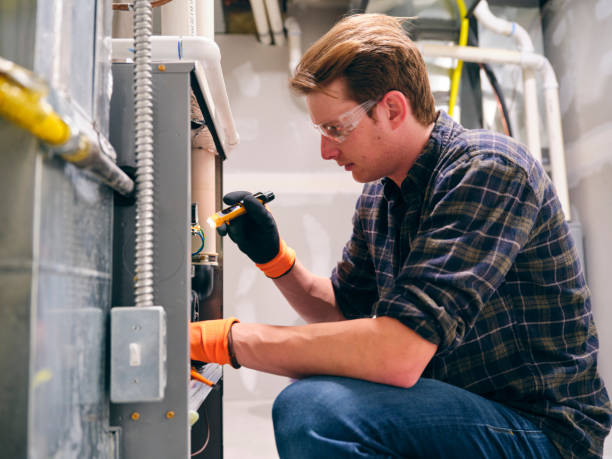
Home Repairman Working on a Furnace A repairman working inside a home, repairing a furnace. hvac company home service stock pictures, royalty-free photos & images
The Importance of Proper System Testing and Final Adjustments During HVAC Installations

Proper system testing and final adjustments are critical steps during HVAC installations. These processes ensure that your heating, ventilation, and air conditioning system operates efficiently, safely, and reliably. Skipping or inadequately performing these steps can lead to increased energy bills, poor indoor air quality, and frequent maintenance issues. Below is an in-depth look at why these practices are essential.

Why System Testing Matters

System testing verifies that every component of the HVAC system is functioning as intended. It allows contractors to identify issues early before they turn into costly repairs or inefficiencies.

  • Thermostat Calibration: Ensures the thermostat accurately controls the temperature settings.
  • Refrigerant Levels: Verifies that refrigerant levels meet manufacturer specifications to avoid overcooling or insufficient cooling.
  • Airflow Inspection: Measures airflow through the ducts to confirm that it meets required standards for comfort and efficiency.
  • Electrical Connections: Confirms all wiring is secure to prevent electrical failures or hazards.
  • Leak Detection: Checks for leaks in ductwork or refrigerant lines to avoid waste and compromised performance.

The Role of Final Adjustments

While testing focuses on identifying problems, final adjustments fine-tune the system’s performance. This step ensures your HVAC unit operates at its peak performance level while reducing unnecessary wear and tear.

  1. Balancing Air Distribution
    Contractors may adjust dampers within the ductwork to ensure even airflow across all rooms in your home or office.
  2. Fine-Tuning Fan Speed Settings
    The fan speed directly affects airflow and energy consumption; adjusting it ensures optimal balance between comfort and efficiency.
  3. Modifying Thermostat Programs
    Programmable thermostats can be set up during installation to match your routine, saving energy when heating or cooling is not necessary.
  4. Aligning Outdoor Unit Placement
    Ensuring proper placement of the outdoor condenser minimizes noise levels and optimizes heat exchange efficiency.

Benefits of Proper Testing and Adjustments

Benefit Description
Improved Efficiency Identifying inefficiencies reduces energy waste while lowering utility bills.
Enhanced System Longevity Fine-tuned systems experience reduced strain on components, extending their lifespan.
Optimal Indoor Comfort Balanced temperatures prevent hot or cold spots throughout your space.
Fewer Repairs Early detection of issues prevents more significant damage down the line.

Tips for Homeowners

  • Request a detailed report from your contractor outlining tests performed.
  • Ask questions about any adjustments made and why they were necessary.
  • Ensure warranty terms cover issues related to improper installation procedures.

Investing time in proper system testing and final adjustments at installation lays a strong foundation for years of reliable HVAC performance without unnecessary expenses down the road.

How Insulation and Sealing Play a Crucial Role in Optimizing HVAC Efficiency

When it comes to maintaining an energy-efficient HVAC system, insulation and sealing are critical components that contribute to the overall performance of your heating, ventilation, and air conditioning. Proper insulation and airtight sealing help regulate temperature, reduce energy consumption, and maintain a comfortable indoor environment. Below is an in-depth look at how these elements work together to optimize your system’s efficiency.

The Role of Insulation in HVAC Efficiency

Insulation creates a thermal barrier that slows down the transfer of heat between the interior and exterior of your home or office.

  • Minimizes Heat Loss: In winter months, proper insulation helps retain heat indoors, reducing strain on heating systems.
  • Reduces Heat Gain: During summer months, insulation keeps outdoor heat from seeping inside, allowing the air conditioner to perform effectively.
  • Enhances System Longevity: When less strain is placed on your HVAC system due to stable indoor temperatures, its lifespan increases.
Common Types of Insulation:
Type Best Use Case R-Value* Range
Fiberglass Batts Walls, ceilings 2.9 – 3.8 per inch
Spray Foam Hard-to-reach areas 3.5 – 6.5 per inch
Rigid Foam Boards Exterior walls or basements 4 – 6 per inch

*R-value measures an insulating material’s resistance to conductive heat flow; higher values indicate better performance.

The Importance of Sealing

Air leaks in ducts, doors, windows, or other structural components can significantly diminish HVAC efficiency by allowing conditioned air to escape or outdoor air to enter. Proper sealing ensures that your HVAC system doesn’t waste energy combating unnecessary temperature fluctuations.

Key areas where sealing can make a difference include: – Ductwork: Leaky ducts are responsible for up to 30% energy loss in many homes.Windows and Doors: Gaps here allow drafts that undermine heating or cooling efforts.Attics and Basements: These spaces often harbor unseen cracks or gaps that impact overall thermal regulation.

Quick Tips for Effective Sealing:
  1. Use weatherstripping around movable components like windows and doors.
  2. Apply caulk around stationary elements like window frames.
  3. Inspect duct joints regularly and seal leaks with mastic sealant or metal tape.

Benefits of Optimized Insulation & Sealing

By combining effective insulation with proper sealing techniques during installation or retrofitting processes, homeowners and business owners can enjoy several benefits: – Lower utility bills due to reduced energy waste. – Improved indoor air quality by limiting pollutant infiltration through gaps. – Enhanced comfort with consistent indoor temperatures across all seasons.

An efficient HVAC system relies not just on high-quality equipment but also on the surrounding environment’s ability to preserve conditioned air effectively. Investing in proper insulation and sealing is one of the simplest ways to ensure your heating and cooling systems operate at peak performance year-round while reducing environmental impact through lower energy consumption levels.


Understanding Orlando HVAC Systems: A Comprehensive Guide for New or Soon-To-Be Homeowners

Air conditioner repairers Air conditioner repairers hvac company service stock pictures, royalty-free photos & images

Understanding your home’s HVAC (Heating, Ventilation, and Air Conditioning) system is essential for ensuring year-round comfort and maintaining energy efficiency. As a new or soon-to-be homeowner, becoming familiar with these systems can help you make informed decisions about maintenance, repairs, or upgrades. This guide provides an overview of the key components and considerations for managing your HVAC system effectively.

Understanding What an Orlando FL HVAC Company Can Do for Your System

  • Heating: Provides warmth during colder months using a furnace, heat pump, or boiler.
  • Cooling: Keeps your space cool in warmer months through air conditioning units or heat pumps.
  • Ventilation: Ensures proper airflow by exchanging stale indoor air with fresh outdoor air while filtering pollutants and allergens.

Understanding AC Repair Orlando: Components of an HVAC System

Component Function
Furnace Heats air distributed throughout the home via ducts.
Air Conditioner Removes heat from indoor air to maintain a cooler indoor environment.
Heat Pump Acts as both a heating and cooling source, depending on the season.
Thermostat Regulates temperature settings for optimal comfort.
Ductwork Distributes heated or cooled air throughout the house.
Ventilation System Brings in fresh air and filters out pollutants from the indoor environment.

Why Choosing the Right HVAC Service Orlando Experts Matters

  • Energy Efficiency: A well-maintained HVAC system operates more efficiently, reducing utility costs.
  • Longevity: Regular care extends the lifespan of key components like furnaces and air conditioners.
  • Comfort: Understanding how to adjust settings ensures consistent temperature control throughout the year.
  • Healthier Indoor Air Quality: Properly functioning systems filter out dust, allergens, and other airborne particles.

Common Terms Every Homeowner Should Know

  1. SEER (Seasonal Energy Efficiency Ratio): Measures cooling efficiency; higher ratings indicate better efficiency.
  2. AFUE (Annual Fuel Utilization Efficiency): Indicates heating efficiency; higher percentages mean less energy wasted.
  3. BTU (British Thermal Unit): Measures heating or cooling capacity of equipment.
  4. HVAC Zones: Sections of a home where individual temperatures can be controlled independently.

Basic Maintenance Tips for New Homeowners

  • Check air filters monthly; replace every 1–3 months as needed.
  • Schedule professional tune-ups twice per year (spring for cooling systems; fall for heating systems).
  • Keep outdoor units free from debris like leaves or dirt that may block airflow.
  • Inspect ductwork periodically for leaks or damage that could hinder performance.

By understanding these fundamentals about your home’s HVAC system, you’ll be better equipped to maintain its performance while ensuring long-term efficiency and comfort within your living space.

How to Assess the Age and Efficiency of Your Home’s HVAC System

Identifying the Age of Your HVAC System

  1. Look for a nameplate or label on your outdoor condenser unit (for central systems) or inside panels for furnaces.
  2. Locate the serial number or model number. Often, these numbers contain manufacturing dates encoded in specific formats.
  3. Once you have the serial or model number, contact the manufacturer for clarification on manufacturing dates if they’re not obvious from the label.
  4. Review any installation receipts or maintenance records provided when you purchased your home, as they might indicate when the system was installed.
  5. If you’re unable to determine age through these methods, an experienced HVAC contractor can inspect and provide this information.

Evaluating Energy Efficiency

  1. SEER (Seasonal Energy Efficiency Ratio) measures cooling efficiency in air conditioners and heat pumps.
  2. AFUE (Annual Fuel Utilization Efficiency) indicates how efficiently furnaces use fuel.
  3. Modern systems typically have higher SEER/AFUE ratings compared to older units.
  4. Compare Against Current Standards
    | Year Installed | Recommended Minimum SEER | High-Performance SEER Options |
    |——————–|—————————|———————————|
    | Pre-2006 | Below 13 | Not common |
    | Post-2006 | 13–14 | Up to 21+ | Check if your system meets minimum standards introduced after installation.
  5. Monitor Energy Bills
    Excessively high utility bills may signal inefficiency due to aging components or outdated technology.
  6. Inspect for Maintenance Issues
    Key indicators include:

    • Frequent repairs needed over recent years.
    • Uneven indoor temperatures suggesting struggling performance.
    • Strange noises such as clanking, rattling, or hissing sounds while operating.
  7. Consider Energy Star Certification
    Upgrading older systems with no certification to an Energy Star rated model often leads toward significant savings long-term given today’s eco-conscious designs deliver better thermal output per dollar consumed.

When Should You Consider Replacement?

If your HVAC has exceeded 10–15 years old while showing diminishing results via diagnostics —advanced investment towards replacements yields sustainable comfort optimized via lower monthly running costs/higher durability cycles

Exploring the Different Types of HVAC Systems and Their Applications

When it comes to heating, ventilation, and air conditioning (HVAC) systems, understanding the various types available on the market is essential for choosing the right one for your specific needs. Different HVAC systems serve different purposes depending on factors such as climate, energy requirements, and budget. Below is an overview of the primary types of HVAC systems and their common applications.

Central Air Conditioning Systems

Central air conditioning systems are among the most common types used in residential buildings. These systems work by distributing cooled air through a network of ducts.

Key Features:
– Ideal for homes with ductwork already installed.
– Provides consistent cooling across all rooms in a house.
– Often paired with a furnace or heating system to create an all-in-one solution (known as split systems).

Applications:
– Suitable for larger homes or properties where centralized temperature control is desired.
– Commonly used in temperate climates that require moderate cooling throughout the year.

Heat Pump Systems

Heat pumps are versatile systems that provide both heating and cooling by transferring heat between indoor and outdoor spaces.

Key Features:
– Energy-efficient option for moderate climates.
– Can reverse operation to switch between heating during winter and cooling during summer.

Applications:
– Best suited for homes in regions with mild winters, as extreme cold can reduce efficiency. – Popular choice for environmentally-conscious homeowners seeking lower energy consumption.

Ductless Mini-Split Systems

Ductless mini-splits are compact HVAC units that provide zoned heating and cooling without requiring ductwork. Each unit serves a designated area or room.

Key Features:
– Customizable temperature control in individual rooms (zoning).
– Easy installation compared to traditional ducted systems. – Often more efficient than central air due to reduced energy loss through ducts.

Applications:
– Ideal for homes without existing ductwork or room additions where installing ducts would be costly. – Perfect for multi-family housing or buildings requiring individualized temperature control per unit.

Packaged Heating and Cooling Units

Packaged systems combine all components—such as compressor, condenser, and evaporator—into a single outdoor unit instead of splitting them into indoor/outdoor setups.

Key Features:
– Compact design requires less space than split-system alternatives. – Typically installed on rooftops or along exterior walls of smaller homes or businesses.

Applications:
– Frequently used in areas where interior space is at a premium. – Commonly found in commercial buildings but also suitable for small residential spaces.

Geothermal HVAC Systems

Geothermal heat pumps leverage underground temperatures to provide efficient heating and cooling year-round by using buried pipes filled with water or refrigerant.

Key Features:
– High upfront installation cost but offers long-term savings through reduced energy bills. – Environmentally friendly option utilizing renewable geothermal energy sources.

Applications:
– Excellent choice for homeowners planning long-term residence who want sustainable solutions. – Recommended for areas with stable underground temperatures throughout the year.

System Type Best For Advantages Disadvantages
Central Air Conditioning Large Homes Consistent Cooling Requires Ductwork
Heat Pump System Mild Climates Energy-Efficient Less Effective in Extreme Cold
Ductless Mini-Split System Zoned Temperature Control No Ducts Needed Higher Upfront Cost Per Indoor Unit
Packaged System Smaller Homes/Businesses Space-Saving Design Limited Capacity
Geothermal System Long-Term Sustainability Goals Low Operating Costs High Installation Costs

By understanding these options, homeowners can make informed decisions about which system aligns best with their needs while balancing efficiency, cost-effectiveness, and comfort. Ultimately, selecting an appropriate HVAC system can ensure optimal performance tailored to specific living conditions or property requirements while minimizing environmental impact where possible.

Step-by-Step Guide to Identifying the Fuel Source for Your HVAC System

Understanding the fuel source of your HVAC system is crucial for both maintenance and optimizing energy efficiency. Whether you’re a homeowner or just looking to improve your knowledge, identifying the fuel source can help you make better decisions about repairs, upgrades, or replacements. Below, we’ll break down the steps to determine what powers your HVAC system.

Why Understanding Your Fuel Source Matters

  • Energy Efficiency: Different fuels vary in cost and efficiency. Identifying yours can help reduce energy bills.
  • Environmental Impact: Some fuels have a smaller carbon footprint than others.
  • Maintenance Requirements: Each type of fuel may have specific care needs.
  • Repair Planning: When repairs are needed, knowing your fuel source makes communicating with contractors easier.

Steps to Identify Your HVAC Fuel Source

  1. Most HVAC systems have labels or stickers that indicate the type of energy they use (e.g., gas, electricity, oil).
  2. If a manual is available, it should include detailed information about the acceptable fuel sources.
    • A furnace with burners indicates natural gas or propane usage.
    • An oil tank nearby signals an oil-fueled system.
    • Electric-powered systems often lack combustion components like burners or chimneys.
    • Consistent natural gas charges likely mean a gas-powered furnace.
    • High electricity costs could point toward an electric heat pump or electric furnace.
    • A propane storage tank near the house suggests propane as a primary source.
    • Vent pipes and exhaust flues signal combustion-based systems that likely use natural gas or oil.
  3. If you’re unsure after inspecting your equipment, consult an HVAC technician. They can quickly identify the energy source and provide additional insights about system upkeep.

Fuel Types and Their Characteristics

Fuel Type Key Features Pros Cons
Natural Gas Delivered via pipelines; used in furnaces Cost-effective; reliable Not always available remotely
Propane Stored in tanks; used in areas without gas lines High efficiency; portable Higher upfront costs
Electricity Powers heat pumps and electric furnaces Clean; widely accessible Higher operating costs
Oil Requires on-site storage tanks Effective for colder climates Regular deliveries required

Additional Tips

  • Perform regular inspections of your HVAC system to ensure it’s running efficiently regardless of its fuel source.
  • Consider upgrading if you find that alternate fuels offer better long-term savings or reduced environmental impact.

By following these steps and understanding each type of fuel’s advantages and disadvantages, you’ll be well-equipped to manage your home’s heating and cooling needs intelligently.

Hvac Worker Checking a Air Conditioner

The Benefits of Upgrading to a High-Efficiency HVAC System for Your Home

Upgrading to a high-efficiency HVAC system can transform your home’s comfort, energy consumption, and overall environmental impact. While the initial investment may seem significant, the long-term advantages make it an excellent choice for homeowners seeking better performance and savings. Below is an in-depth look at the benefits you can expect from upgrading your HVAC system.

Reduced Energy Costs

  • Lower Utility Bills: These systems utilize advanced technology such as variable-speed motors and smart thermostats to minimize energy waste.
  • Improved Seasonal Energy Efficiency Ratio (SEER): Modern units typically have higher SEER ratings compared to older models, meaning they use less electricity to achieve the same level of cooling or heating.
  • A potential reduction in annual energy costs by 20–40%, depending on your current system’s efficiency.

Enhanced Comfort Levels

  • Better Temperature Regulation: Variable-speed compressors and fans ensure stable indoor temperatures without frequent cycling on and off.
  • Humidity Control: Many high-efficiency systems include advanced dehumidification features that maintain ideal indoor humidity levels.
  • Improved Air Distribution: Enhanced ductwork design and airflow balancing deliver even heating or cooling across all rooms.

Environmental Benefits

  • Lower Greenhouse Gas Emissions: Efficient units use less fossil-fuel-based energy, which reduces harmful emissions.
  • Use of eco-friendly refrigerants like R-410A in newer models, which are less damaging to the ozone layer compared to older refrigerants like R-22.

Longer Lifespan and Lower Maintenance Costs

Feature Benefit
Advanced components Less wear-and-tear due to reduced run times.
Smart diagnostics Early detection of issues prevents costly repairs down the line.
Manufacturer warranties Many high-efficiency systems come with extended warranty periods.

Potential Incentives for Upgrades

Many local governments and utility companies offer rebates or tax credits for purchasing energy-efficient equipment. Be sure to research programs available in your area that could help offset upfront costs.

Investing in a high-efficiency HVAC system provides lasting value by improving comfort, reducing utility bills, minimizing environmental impact, and avoiding frequent repairs. For homeowners looking to optimize their living spaces while lowering costs over time, this upgrade is worth serious consideration.