
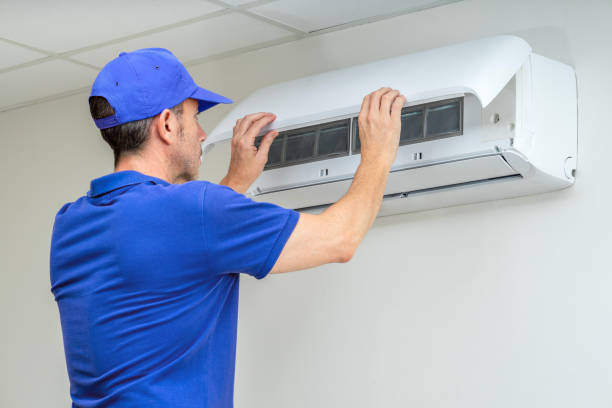
Replacing your HVAC system can be a significant decision that impacts both your home’s comfort and energy efficiency. Whether your current system is outdated, underperforming, or in constant need of repairs, understanding how to approach the replacement process can save you time, money, and frustration. Here’s a comprehensive guide for homeowners to navigate HVAC replacement efficiently.
When Should You Consider Replacing Your HVAC System?
- Age of the System: Most HVAC systems have a lifespan of 10–15 years. If your unit is approaching or exceeding this range, it may be more cost-effective to replace it rather than repair it.
- Frequent Repairs: If you’re scheduling repairs multiple times a year and costs are adding up, investing in a new system may be the better long-term solution.
- Rising Energy Bills: An older or inefficient system often consumes more energy and drives up utility bills despite regular maintenance efforts.
Steps to Prepare for an HVAC Replacement Process
- Assess Your Current System Needs: Take into account your home’s square footage, insulation levels, and specific climate conditions in your region to determine what size system would suit your needs best.
- Choose the Right Type of System: Options include central air conditioning systems, heat pumps, ductless mini-split systems, or even hybrid systems depending on your requirements and budget.
- Energy Efficiency Ratings (SEER & HSPF): Look for units with higher Seasonal Energy Efficiency Ratio (SEER) ratings for cooling efficiency and Heating Seasonal Performance Factor (HSPF) ratings for heating performance.
- Consult with an Expert: A licensed HVAC contractor can inspect your home and recommend solutions tailored specifically to its design and layout.
Key Features To Look For in Modern HVAC Systems
| Feature | Benefit |
| Smart Thermostat Integration | Simplifies temperature control while improving energy savings |
| Variable Speed Technology | Optimizes airflow while minimizing noise |
| Zoning Capabilities | Provides personalized climate control for different areas of the home |
| High-Efficiency Filters | Improves indoor air quality by reducing allergens and pollutants |
Benefits of Upgrading Your System
- Lower Operating Costs: Newer systems consume less energy due to advanced technology.
- Improved Indoor Air Quality (IAQ): Enhanced filters trap dust particles better than older models.
- Environmentally Friendly Options: Many modern systems use eco-friendly refrigerants that reduce their carbon footprint.
- Consistent Comfort Levels: Updated units provide better temperature regulation across all rooms.
Investing in a reliable contractor who specializes in installation will also ensure you get maximum efficiency from the new unit.
By following this guide as part of your decision-making process, homeowners can seamlessly transition into owning an upgraded system tailored perfectly toward their lifestyle needs
Expert Tips for Effective Orlando HVAC System Replacement
Replacing an HVAC system is a substantial investment that requires careful planning and execution to ensure maximum efficiency, comfort, and longevity. Below are essential daily tips and strategies to help homeowners navigate the HVAC replacement process effectively.
Expert Tips for AC Repair Orlando to Optimize Your HVAC System
Before initiating a replacement, take time to evaluate your current system’s performance. Understanding its limitations will guide you in choosing an upgraded system that better suits your needs.
- Energy Efficiency: Are your energy bills unusually high? Older systems often consume more energy than necessary.
- Inconsistent Temperatures: Does your home experience uneven heating or cooling?
- Frequent Repairs: Are repair costs adding up, making replacement a more cost-effective solution?
Documenting these issues will help you communicate effectively with an HVAC contractor.
Explore Energy-Efficient HVAC Service in Orlando
Energy efficiency should be a primary consideration when selecting a new HVAC system. Modern systems come with advanced technology designed for optimal performance and reduced energy consumption.
- SEER Rating (Seasonal Energy Efficiency Ratio): Higher SEER ratings indicate better energy efficiency.
- Variable-Speed Motors: These provide flexibility in airflow and energy usage.
- Smart Thermostats Compatibility: Systems compatible with smart thermostats allow for programmable temperature control.
Investing in an energy-efficient unit not only reduces utility bills but may also qualify you for federal or local tax rebates.
Plan for Proper Sizing of the Unit
Sizing is critical when replacing an HVAC system. A unit that is too large or too small can lead to inefficiency, higher costs, and inconsistent comfort.
- Square footage of your home.
- Number of occupants.
- Quality of existing insulation.
- Climate conditions in your area.
An experienced HVAC contractor can perform a load calculation to determine the right size for your home.
Stay Organized With a Replacement Timeline
Replacing an HVAC system can disrupt daily activities temporarily. Planning ahead with a clear timeline ensures minimal inconvenience.
- Schedule consultations with contractors early.
- Allow time for permits if required in your municipality.
- Prepare areas where installation will occur by removing obstacles or furniture.
- Plan alternative heating or cooling methods during downtime if needed.
Keeping these tasks on track will make the process efficient and stress-free.
Work With Certified Professionals
Partnering with licensed and experienced contractors is key to ensuring quality installation. Avoid DIY replacements as they pose risks related to improper installation, safety hazards, and voided warranties.
- Verify credentials such as licensing and insurance.
- Request references from previous clients.
- Confirm familiarity with the brand or model you’re considering.
- Inquire about post-installation services like maintenance plans or warranties.
Regular Maintenance After Replacement
- Replace air filters every 1–3 months depending on usage levels.
- Schedule annual inspections by certified technicians.
- Clean vents and registers regularly to prevent blockages.
- Monitor thermostat settings for consistent performance.
A well-maintained system lasts longer and operates more efficiently over time.
By adhering to these daily tips during the process of replacing your HVAC unit, homeowners can achieve improved comfort while maximizing their investment’s value over the long term.
How Seasonal Changes Can Strain Your Heating and Cooling System
Seasonal changes can place significant stress on your HVAC system, impacting its efficiency and longevity. Understanding how these changes affect heating and cooling systems can help homeowners prepare for potential issues and ensure their systems run smoothly throughout the year. Below, we’ll explore the most common ways seasonal transitions strain HVAC equipment, along with tips to mitigate these effects.
The Effect of Temperature Fluctuations
- Higher Energy Consumption: Frequent cycling of your HVAC system due to temperature fluctuations requires more energy, driving up utility bills.
- Increased Wear and Tear: Constant adjustments in heating or cooling modes can wear down parts like compressors, fans, and belts more quickly than usual.
- Reduced System Efficiency: Over time, excessive strain can lead to decreased performance levels, leaving certain areas of your home less comfortable.
Humidity Levels Throughout the Year
| Season | Humidity Impact | Effect on HVAC System |
| Summer | High humidity levels | Increased workload for dehumidification |
| Winter | Low humidity levels | Strain on heating components |
| Spring/Fall | Fluctuating outdoor moisture levels | Frequent on-off cycling |
To address humidity-related strain:
– Use a dehumidifier during summer months to reduce load on the cooling system.
– Invest in a humidifier during winter to maintain balanced indoor moisture levels.
Seasonal Debris and Airflow Restrictions
- Spring/Fall Debris: Leaves, pollen, and other debris can clog outdoor units or air filters during transitional months.
- Winter Snow/Ice: Ice buildup around outdoor units may block airflow or damage components.
- Summer Dust Buildup: Dry weather increases dust accumulation inside filters and ducts.
Mitigation strategies include: – Regularly checking and cleaning air filters (every 1–3 months). – Clearing leaves or snow away from the outdoor unit. – Scheduling professional maintenance before peak seasonal use.
The Importance of Seasonal Maintenance
- Spring: Inspect refrigerant levels; clean coils; replace filters before cooling season begins.
- Summer: Check thermostat settings; monitor for unusual noises or odors.
- Fall: Inspect heating components like burners; clean out ducts if needed.
- Winter: Test heat pumps or furnaces; ensure proper airflow through vents.
By making these seasonal adjustments part of your regular upkeep plan, you’ll not only extend the life of your HVAC system but also improve its performance year-round.
Understanding how seasonal changes impact your heating and cooling equipment is essential for maintaining indoor comfort efficiently while preventing costly repairs over time. Consistent care tailored to each season will keep your HVAC unit operating optimally under diverse conditions.
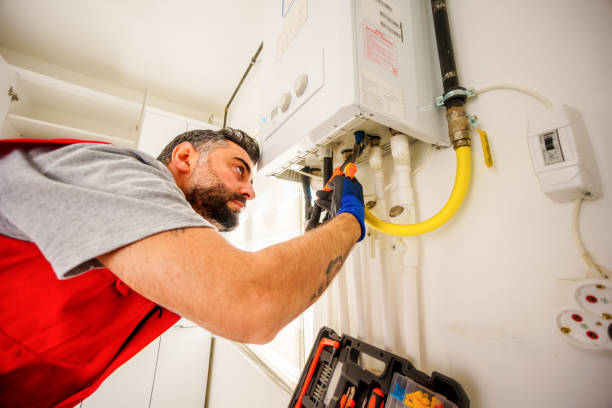
How Seasonal Changes Can Strain Your Heating and Cooling System
Seasonal changes can have a significant impact on the performance, efficiency, and longevity of your HVAC system. As temperatures shift from extreme heat in the summer to freezing cold in the winter, your heating and cooling system must adapt to maintain indoor comfort. Understanding these seasonal stresses can help homeowners take proactive steps to reduce wear and tear on their systems.
Temperature Extremes and Their Impact
- During the summer months, your air conditioner works harder to cool your home as outdoor temperatures soar. This increased workload can lead to:
- Compressor strain
- Refrigerant pressure imbalances
- Higher energy consumption
- Over time, continuous operation during hot weather may cause components like fans or capacitors to fail prematurely.
- In colder months, furnaces or heat pumps are often pushed to their limits as they maintain warmth indoors. This can result in:
- Increased fuel or energy usage for heating
- Potential cracking of heat exchangers due to thermal stress
- Icing issues with outdoor HVAC units exposed to freezing temperatures
Humidity Fluctuations
- High Summer Humidity
Excess moisture in the air forces air conditioners to work harder for dehumidification, potentially leading to: - Reduced cooling efficiency
- Mold or mildew growth in ductwork if humidity is not properly controlled
- Low Winter Humidity
Dry air during winter can strain heating systems and affect indoor air quality by causing issues such as: - Dry skin, respiratory discomfort for occupants
- Increased static electricity due to low moisture levels
Maintenance Tips for Each Season
- Clean or replace air filters monthly to improve airflow.
- Inspect refrigerant levels and address any leaks promptly.
- Check that outdoor condenser units are free from debris for optimal function.
- Schedule an annual furnace inspection before colder weather begins.
- Insulate exposed ductwork or pipes that may freeze.
- Test thermostat settings and controls before heavy use.
| Season | Key Actions | Benefits |
| Summer | Clean filters; check refrigerant; clear debris | Improved cooling efficiency |
| Winter | Inspect furnace; insulate pipes; test thermostat | Consistent heating |
Use of Modern Technology
Modern technologies like programmable thermostats and zoning systems can help mitigate seasonal stress on HVAC systems by optimizing temperature control based on specific needs for each zone within your home, reducing excessive strain during temperature fluctuations.
By understanding how seasonal changes affect your heating and cooling system, you can take timely actions that prolong its lifespan while ensuring consistent indoor comfort year-round.
Recognizing the Top Signs That Your HVAC System Needs Immediate Replacement
As a homeowner, ensuring your HVAC system operates efficiently is crucial for maintaining comfort and energy savings. However, like any mechanical system, there will come a time when repairs are no longer sufficient, and replacement becomes necessary. Recognizing the signs that your HVAC system needs immediate replacement can save you from costly repairs, avoid discomfort, and improve energy efficiency. Below are some specific warning signs to watch for.
1. Rising Energy Bills
One of the clearest indicators that your HVAC system may need replacing is an unexplained increase in your energy bills. This could stem from:
– Decreased efficiency: Older systems require more energy to deliver the same level of heating or cooling.
– Outdated technology: Modern HVAC units are designed to use less power while providing better performance compared to older models.
Upgrading to an energy-efficient system can reduce monthly utility expenses significantly.
2. Frequent Repairs
If you find yourself calling an HVAC technician multiple times a year for repairs:
– Evaluate repair costs: When repair costs exceed 50% of the price of a replacement unit, it’s often more cost-effective to replace the system altogether.
– Weigh reliability: Constant issues indicate that the entire unit is wearing out and reaching the end of its lifespan.
3. Inconsistent Temperature Control
When certain rooms in your home feel too hot while others remain cold, it may indicate:
– A failing compressor or blower motor in your existing system.
– Improper airflow due to ductwork issues or worn-out components.
Replacing an outdated unit ensures even temperature distribution throughout your home.
4. Unusual Sounds and Odors
Strange noises such as grinding, rattling, or squealing often signal internal component failures like loose belts or damaged parts. Similarly:
– Burning odors could indicate electrical problems within the wiring or motor. – Persistent musty smells may point to mold growth in aging units.
Ignoring these symptoms can lead to safety hazards or further damage.
5. Age of Your Unit
Most HVAC systems have a lifespan of around 10–15 years with regular maintenance. If your unit is approaching this age range:
| System Type | Average Lifespan | |——————-|——————| | Central Air Units | 12–15 years | | Heat Pumps | 10–12 years | | Furnaces | 15–20 years |
Modern replacements come with advanced features such as smart thermostats and higher SEER (Seasonal Energy Efficiency Ratio) ratings for better performance.
6. Poor Indoor Air Quality (IAQ)
Deteriorating IAQ often stems from failing systems that struggle to filter dust, allergens, and pollutants effectively: – Outdated units may not support advanced filtration technologies. – A new HVAC system improves ventilation and air purification capabilities.
Enhanced IAQ contributes significantly to a healthier living environment for households with allergy sufferers or respiratory conditions.
Benefits of Timely Replacement
Proactively recognizing these signs allows you to avoid emergency breakdowns during extreme weather conditions while benefiting from features like: 1. Lower operating costs through improved efficiency. 2. Increased property value. 3. Environmental benefits through reduced carbon footprint. 4. Enhanced comfort with customizable climate control settings and quieter operation.
By understanding these key indicators and addressing them promptly, you can enjoy uninterrupted comfort while leveraging long-term savings with a modernized HVAC solution tailored to meet your home’s unique needs efficiently.
The Role of an HVAC Contractor in Enhancing Indoor Comfort and Air Quality
An HVAC contractor plays a critical role in creating a comfortable and healthy indoor environment. From ensuring your heating and cooling systems operate efficiently to improving your home’s air quality, these professionals provide services that are vital to maintaining a well-functioning home or business. Below, we explore the key ways an HVAC contractor enhances indoor comfort and air quality.
Optimizing Indoor Comfort Through System Efficiency
- System Design and Installation: Contractors assess the specific needs of a property to design and install systems that provide even heating or cooling across all rooms.
- Regular Maintenance Services: Routine tune-ups ensure that components such as filters, coils, and fans are clean and functioning properly.
- Energy Efficiency Audits: By identifying inefficiencies in your system, contractors can recommend energy-efficient upgrades or replacements that reduce utility costs.
Improving Air Quality with Proper Ventilation
- Installing Advanced Ventilation Systems: These systems help expel stale air while bringing fresh air into the home.
- Using Air Filtration Solutions: Contractors recommend high-efficiency filters or HEPA systems that capture dust particles, allergens, and pollutants.
- Balancing Humidity Levels: Proper humidity control prevents problems like dry air in winter or excessive moisture during summer months.
Diagnosing Air Quality Issues
| Test Type | Purpose |
| Ductwork Inspections | Identifies leaks or blockages |
| Airflow Testing | Ensures consistent distribution |
| Pollutant Identification | Detects allergens like pollen |
After identifying issues, they propose solutions tailored to your property’s unique needs.
Tailored Solutions for Specific Needs
- Installing programmable thermostats for precise temperature control.
- Suggesting zoning systems to allow different areas of the building to be heated or cooled independently.
- Recommending UV light purifiers or dehumidifiers where necessary.
Long-Term Benefits of Hiring an Experienced Contractor
- Prolonged lifespan of HVAC equipment through proper care.
- Reduced energy bills due to optimized system performance.
- Enhanced health outcomes by minimizing exposure to airborne pollutants.
By entrusting your heating, cooling, and ventilation needs to a professional contractor with proven expertise in the field, you can create an environment that is both comfortable and conducive to good health. Choose wisely when selecting an HVAC partner who understands the importance of balancing comfort with efficiency.
How to Choose a Professional HVAC Contractor for Your Home or Business
Choosing the right HVAC contractor is critical to ensuring the efficiency, longevity, and performance of your heating and cooling system. A professional contractor not only ensures proper installation or maintenance but also provides valuable advice tailored to your specific needs. Here are key steps and considerations for selecting the best HVAC contractor for your home or business.
Look for Proper Licensing and Certifications
One of the first things to verify is whether the contractor is licensed and certified to work in your area. Credentials ensure that they have undergone proper training and adhere to industry standards.
- Confirm licensing: Check with your local government or regulatory board.
- Certifications: Look for certifications from industry organizations such as North American Technician Excellence (NATE) or Air Conditioning Contractors of America (ACCA).
- Insurance: Verify that they carry liability insurance and workers’ compensation coverage.
Assess Experience and Expertise
HVAC systems are complex, so an experienced contractor can make a significant difference in system performance. Consider their expertise in handling different HVAC brands, models, and types of installations.
- Ask how many years they have been in business.
- Find out if they specialize in residential systems, commercial systems, or both.
- Inquire about their knowledge of energy-efficient solutions like smart thermostats or geothermal systems.
Request References and Read Reviews
Reputation speaks volumes about a contractor’s quality of service. Take time to review customer feedback before making a decision.
- References: Ask them to provide references from past clients.
- Online reviews: Check websites like Google Reviews, Yelp, or Better Business Bureau (BBB).
- Look for patterns in feedback regarding punctuality, professionalism, pricing transparency, and overall satisfaction.
Compare Estimates
| Factor | What to Assess |
| Breakdown of Costs | Verify labor charges, equipment costs, warranties. |
| Scope of Services | Ensure all necessary tasks (e.g., ductwork updates) are listed. |
| Energy Efficiency | Look for recommendations on high-efficiency equipment. |
Obtain at least three written estimates from different contractors to make an informed comparison.
Prioritize Communication Skills
- They should explain their recommendations thoroughly.
- Be responsive when addressing questions about features or warranties.
- Provide detailed timelines outlining project completion.
Poor communication can result in misunderstandings that may lead to delays or increased costs later on.
Verify Maintenance Plans
- Annual tune-ups
- Filter replacements
- Priority service during emergencies
- Discounts on repairs
Signing up for a maintenance plan can extend your system’s lifespan while minimizing costly breakdowns over time.
Evaluate Warranties
- The length of coverage offered by manufacturer warranties.
- Any additional guarantees provided by the contractor on workmanship.
- Coverage exclusions (e.g., improper use or lack of regular maintenance).
A strong warranty reflects confidence in their work quality while giving you peace of mind as a customer.
By following these guidelines step-by-step, you’ll be equipped to select an HVAC contractor who delivers exceptional service tailored to your specific requirements—whether it’s for routine maintenance or a complete system replacement.
- Expert Tips for Choosing the Best Air Conditioner from an Orlando FL HVAC Company
- The Benefits of Choosing an Orlando FL HVAC Company for Repair and Replacement Services
- Your Comprehensive Guide to Choosing an Orlando FL HVAC Company for Residential Installation
- Finding the Best Orlando FL HVAC Company for Homeowners
- The Ultimate Step-by-Step Guide to AC Installation by an Orlando FL HVAC Company
- Understanding Orlando HVAC Systems: A Comprehensive Guide for New or Soon-To-Be Homeowners
- The Ultimate Homeowner’s Guide to Choosing the Best Orlando FL HVAC Company
- Understanding Orlando HVAC Services: What They Do and Why They’re Essential for Your Home